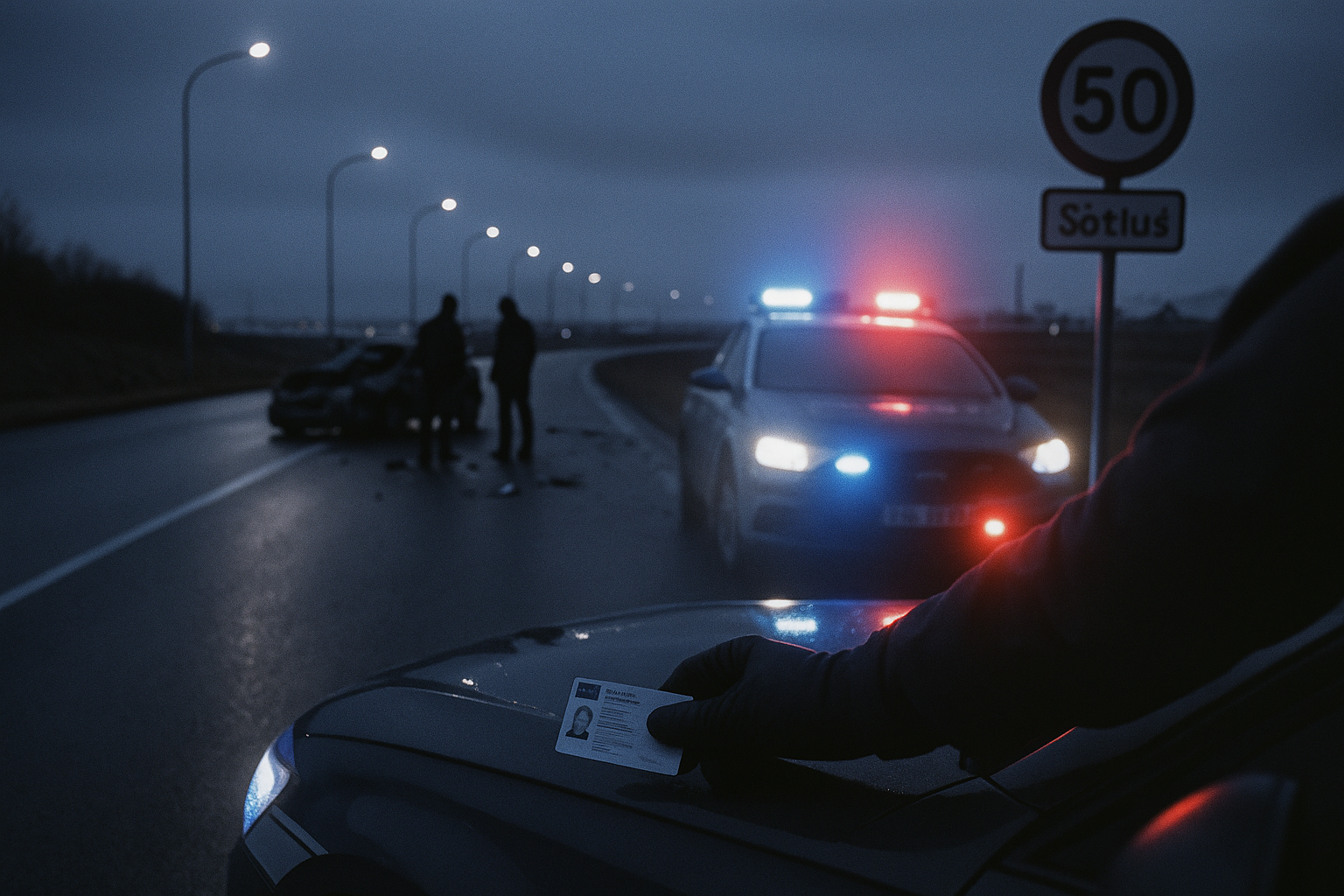
Reykjavík police seize licence after 175 km/h drive, night log mixes speeding assault and crashes
- Police say the speeding driver was taken to a station and stripped of driving privileges after being clocked at 175 km/h in an 80 zone.
- A man was arrested after allegedly spitting on a nightclub worker and later on a police officer; police then found he was wanted.
- One driver was taken to an emergency department after crashing into a lamppost.
- A separate two-car collision left both vehicles undriveable and sent one person from the scene by ambulance.
Reykjavík police say a motorist was caught driving at 175 km/h where the limit is 80, then followed officers to a police station and lost his licence immediately. In the same overnight bulletin, RÚV reports, officers also logged an arrest for assault, theft and violations of Iceland's immigration law, plus two separate crashes that sent injured drivers to medical care.
The speeding case stands out for the margin alone: 95 km/h above the posted limit on a road inside the capital area. Police did not describe a chase; instead, they said the driver accompanied them to the station, where his right to drive was revoked. That same log records a different kind of call from the city's nightlife economy. A man was arrested after allegedly spitting in the face of a nightclub employee, and police say he spat at an officer during the arrest as well. Once at the station, officers discovered he was wanted.
The remaining entries were traffic work of a more routine but costly kind. One driver was taken to an emergency department after hitting a lamppost. In another collision involving two cars, both vehicles were left undriveable and one of the drivers was taken away by ambulance. No broader police operation was announced; the bulletin reads as a standard shift summary, moving from extreme speeding to street violence to damaged vehicles within a few paragraphs.
That mix matters more than any single headline case. A licence seizure removes one driver from the road immediately, but it also shows how much enforcement still depends on catching the offence in real time. The nightclub arrest points to another recurring burden: the same patrols handling traffic stops also process assault complaints, theft allegations, immigration-law breaches and wanted persons checks. By the end of the shift, one car had wrapped itself around a lamppost, two more were undriveable, and one man who spat at staff and police turned out already to be on the wanted list.
Källor: RÚV