Ringön Riot launches in Gothenburg, industrial district doubles as festival ground, city tests another culture-led remake
- Ringön Riot is presented as a new rock festival for Gothenburg in an already crowded live-music market.
- The venue choice places the event inside a district long targeted for culture-led redevelopment.
- Such festivals depend on permits, transport, security and cooperation from nearby firms as much as on ticket sales.
- The project tests whether temporary events in former industrial areas can build a lasting local scene.
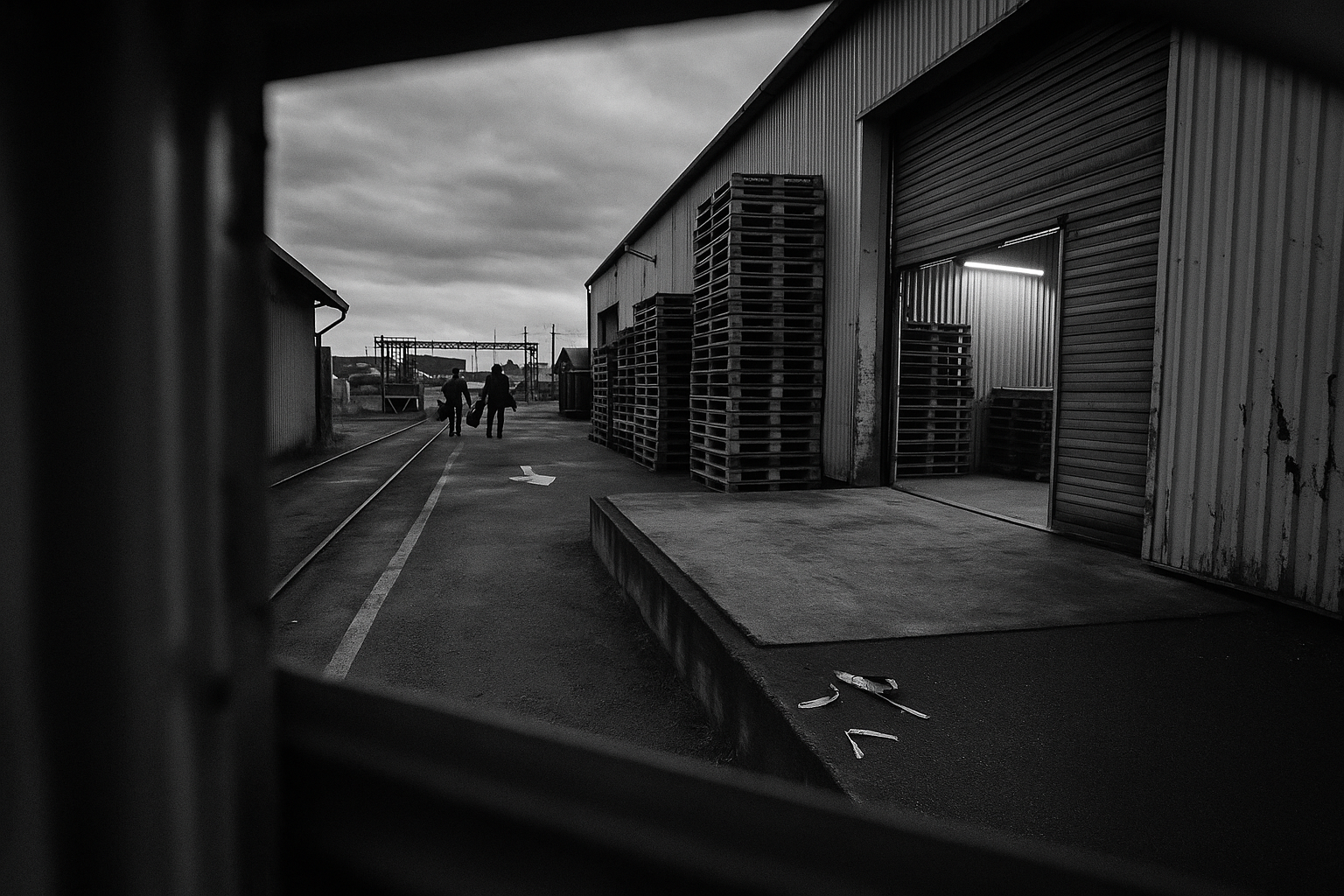
A new rock festival, Ringön Riot, is set to open in Gothenburg’s Ringön district, a low-slung industrial area on Hisingen that has lately been recast as a creative fringe. Göteborgs-Posten reports that the organisers want to give Gothenburg “a proper rock festival,” placing the event in a part of the city where garages, workshops and small manufacturers now share space with breweries, clubs and art venues.
The choice of Ringön does more than set a mood. It puts the festival inside one of Gothenburg’s most discussed redevelopment zones, where culture has become a cheap early signal of change before large capital projects arrive. A rock festival in an industrial district needs the usual concert arithmetic — stage, sound, security, alcohol permits, toilets, access roads, emergency planning — but it also depends on something less visible: whether landowners, existing businesses and city officials are willing to let a working area function as a temporary entertainment quarter. That arrangement can suit everyone for a weekend. It is harder to sustain if deliveries are blocked, tenants object to noise, or policing and clean-up costs land elsewhere.
That is the larger test behind the launch. Swedish cities have spent years using food markets, temporary stages and festival branding to make former industrial land feel newly desirable. The gains are obvious when crowds arrive and media coverage follows. The harder question comes later: whether these events create repeat audiences, viable venues and year-round business, or whether they mainly produce promotional images for districts already marked for redevelopment. Ringön has seen enough of this to make the distinction relevant. It remains one of Gothenburg’s few central areas where small-scale industry still operates, which means every cultural expansion also competes with firms that were there before the rebranding began.
For Gothenburg itself, Ringön Riot enters a market that is not empty. The city has major summer events, established venues and a concert economy under pressure from rising production costs and households cutting discretionary spending. A new festival therefore needs more than a poster and a nostalgic genre pitch. It needs sponsors or investors willing to absorb early losses, a permit process that does not drag into the season, and enough local trust that nearby operators see extra foot traffic rather than another municipal experiment carried by someone else’s balance sheet.
The festival may yet become exactly what its organisers promise: a missing rock fixture in a city that still trades on its music identity. For now, the concrete fact is simpler. Ringön Riot will have to prove that a district built for forklifts and sheet metal can also carry amplifiers, beer queues and late-night crowds without someone else picking up the bill.
Källor: Göteborgs-Posten