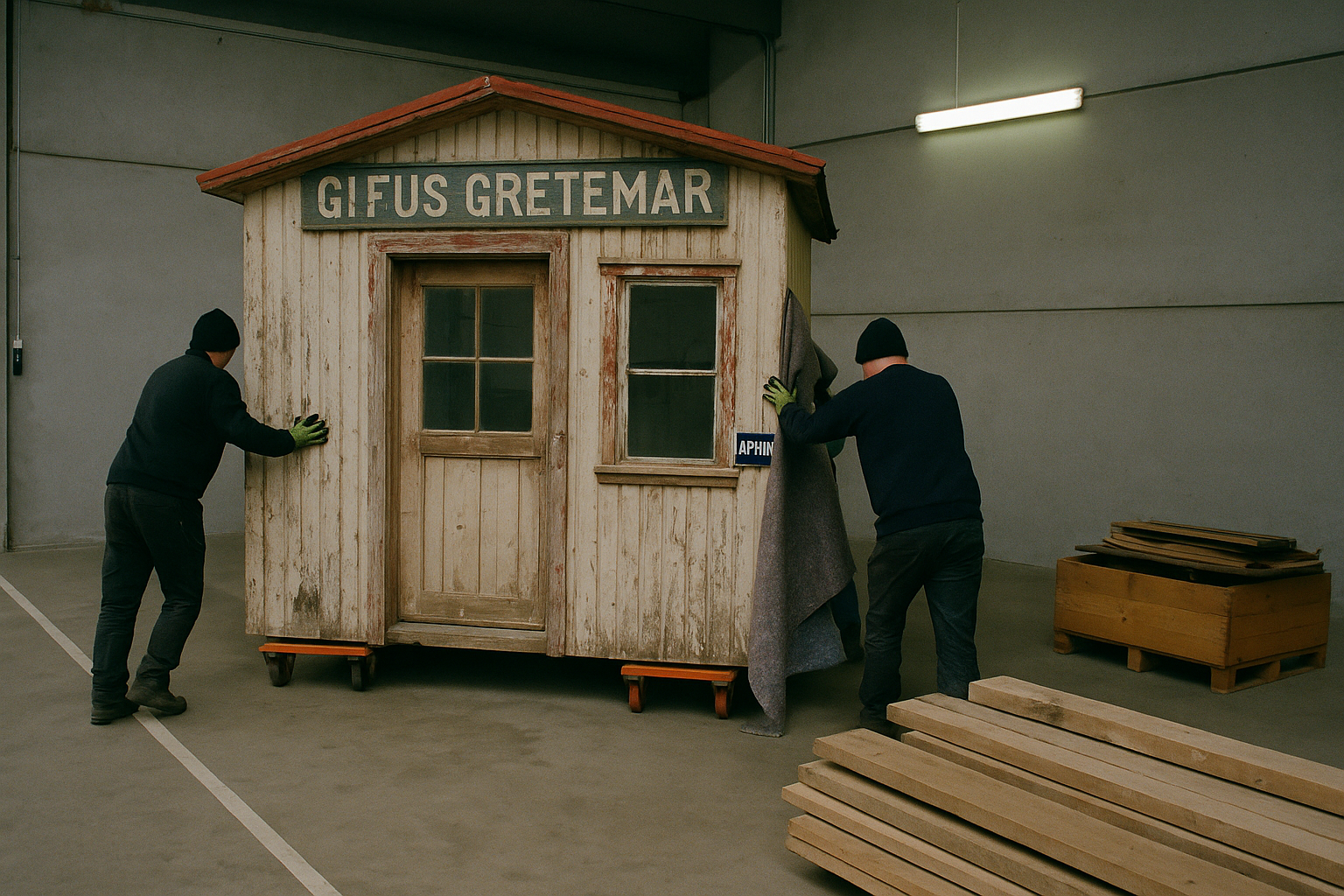
Roadside shop enters museum, Hvammstangi preserves Iceland’s highway economy
- The Commercial Heritage Museum in Hvammstangi is adding an entire roadside shop to its collection.
- The shop is tied to a local story that it built a toilet for King Christian X.
- The exhibit highlights the role of roadside businesses in Iceland before modern retail chains and changed transport habits.
- The museum preserves ordinary commercial premises, not only grand houses or official buildings.
A roadside shop that once served travellers in northwest Iceland is being preserved as a museum object at the Commercial Heritage Museum in Hvammstangi. Vísir reports that the shop, described as one of the more remarkable additions to the collection, also carries a story odd enough to survive in local memory: it once built a toilet for King Christian X.
The detail is comic, but the museum’s choice is more useful than nostalgic. The Icelandic roadside shop was part kiosk, part grocer, part service station for districts where distance did the sorting and passing traffic could decide whether a business lasted another season. Before larger retail formats, better roads and altered travel patterns redirected spending elsewhere, these premises sold fuel, food, cigarettes, coffee and whatever else a driver or nearby farm needed that day. They were small commercial nodes in a country where weather, road conditions and sparse settlement gave even minor stopping points economic weight.
That makes the Hvammstangi exhibit a record of an older transport economy as much as a piece of design or local folklore. A preserved shop counter, shelving or facade says something plain about how trade worked outside Reykjavík and the larger fishing towns: commerce arrived in pieces, by road, to customers who often had few alternatives. The businesses were ordinary, which is precisely why many disappeared without ceremony once supermarkets, consolidated supply chains and different driving habits made them redundant. Museums usually inherit churches, official houses and the homes of prominent men; a roadside shop catches the routines that filled the days between those buildings.
Hvammstangi’s Commercial Heritage Museum has made that everyday world its subject. In a small country, the line between relic and junk can be thin, and what gets saved often depends on who had status, money or a famous surname. A highway shop with a royal lavatory anecdote has a better chance than most of surviving the cull. It also leaves behind a sharper picture of the country that motorists actually moved through: counters worn by elbows, improvised stock, and a business model built on whoever came through the door before the road emptied again.
The king’s toilet is the line people will remember. The shop itself stood where Iceland’s long-distance traffic once had to stop for something as basic as coffee, petrol or a key to an outdoor latrine.
Källor: Vísir