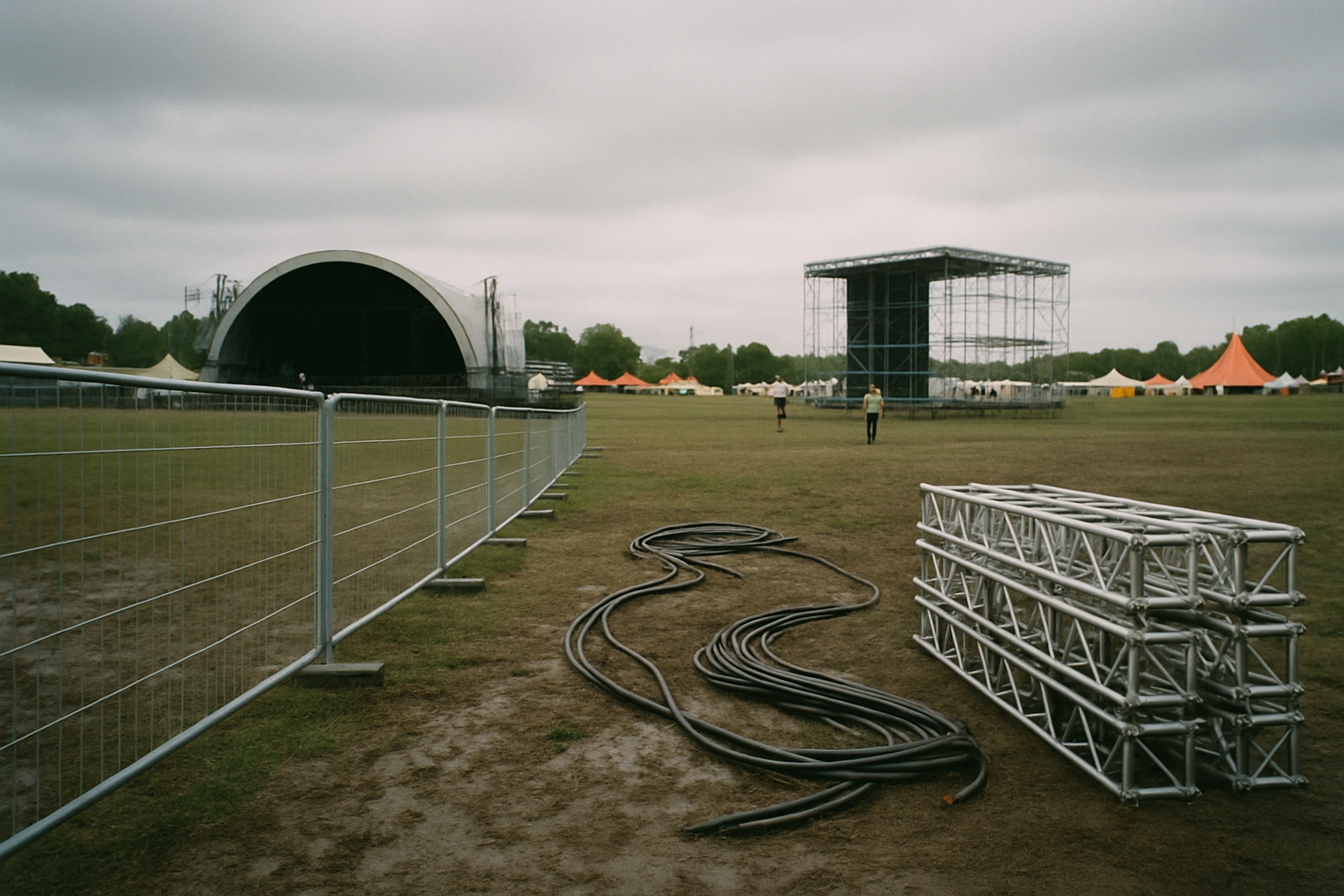
Roskilde Festival expands site, two new stages test demand
- Roskilde Festival is adding two stages in a new area called Gaia
- The move increases programming space at a time when major festivals are competing harder for ticket buyers
- More stages can mean more niche bookings, but also more ways to keep visitors on site and spending
- The expansion puts Roskilde’s non-profit cultural profile alongside the commercial realities of a large summer event
Roskilde Festival will open two new stages this year in a new area, Gaia, extending the footprint of Denmark’s biggest festival and one of its largest seasonal businesses. DR reports that the festival is adding the stages as part of a broader redesign of the site rather than as a minor programming adjustment.
For Roskilde, stage space is not just an artistic choice. More stages allow more acts, more overlap and more segmentation of the audience, which matters when a mature festival is trying to keep longtime visitors while giving younger buyers a reason to pay premium ticket prices. A new area can spread crowds across the grounds, reduce dead zones and create more hours in which visitors stay inside the festival economy rather than drifting back to campsites. That has consequences beyond the lineup: food stalls, bars, merchandise and sponsors all depend on where people spend their time. In a live-events market that has spent several years dealing with inflation, higher touring costs and tighter household budgets, even a cultural institution with Roskilde’s brand has reasons to use its land more efficiently.
The move also says something about positioning. Roskilde has long sold itself as more than a concert series: a non-profit festival with a public-facing cultural mission, volunteer labour and a reputation for mixing major international names with smaller acts. Two new stages fit that brand if they are used to widen the booking range rather than only to stack more commercially safe performers onto the bill. They also give the festival room to test demand without the blunt instrument of simply raising capacity in one step. If Gaia draws traffic and supports more programming density, Roskilde gets evidence that its audience will absorb a larger and more fragmented offer.
That matters in Denmark’s summer economy because Roskilde is not a local village fair. It is a national event that pulls spending into transport, retail, temporary work and hospitality, while also competing with other festivals for artists, crews and consumers. When Roskilde adds physical infrastructure, smaller organisers notice. The largest player gets more flexibility in booking and scheduling; everyone else faces a market where the top festival can offer more slots, more visibility and a broader experience under the same ticket.
DR’s report does not present the expansion as a dramatic reinvention. It is two stages and a new named area. At Roskilde, that is still enough to redraw where tens of thousands of people stand after dark.
Källor: DR Nyheder