Salmonella outbreak kills two in Finland, alfalfa sprouts expose gaps in produce oversight
- ECDC says at least 109 people fell ill between January and May in 11 European countries from Salmonella Bovismorbificans linked to alfalfa sprouts.
- At least two outbreak-linked deaths occurred in Finland, according to reporting by Iltalehti.
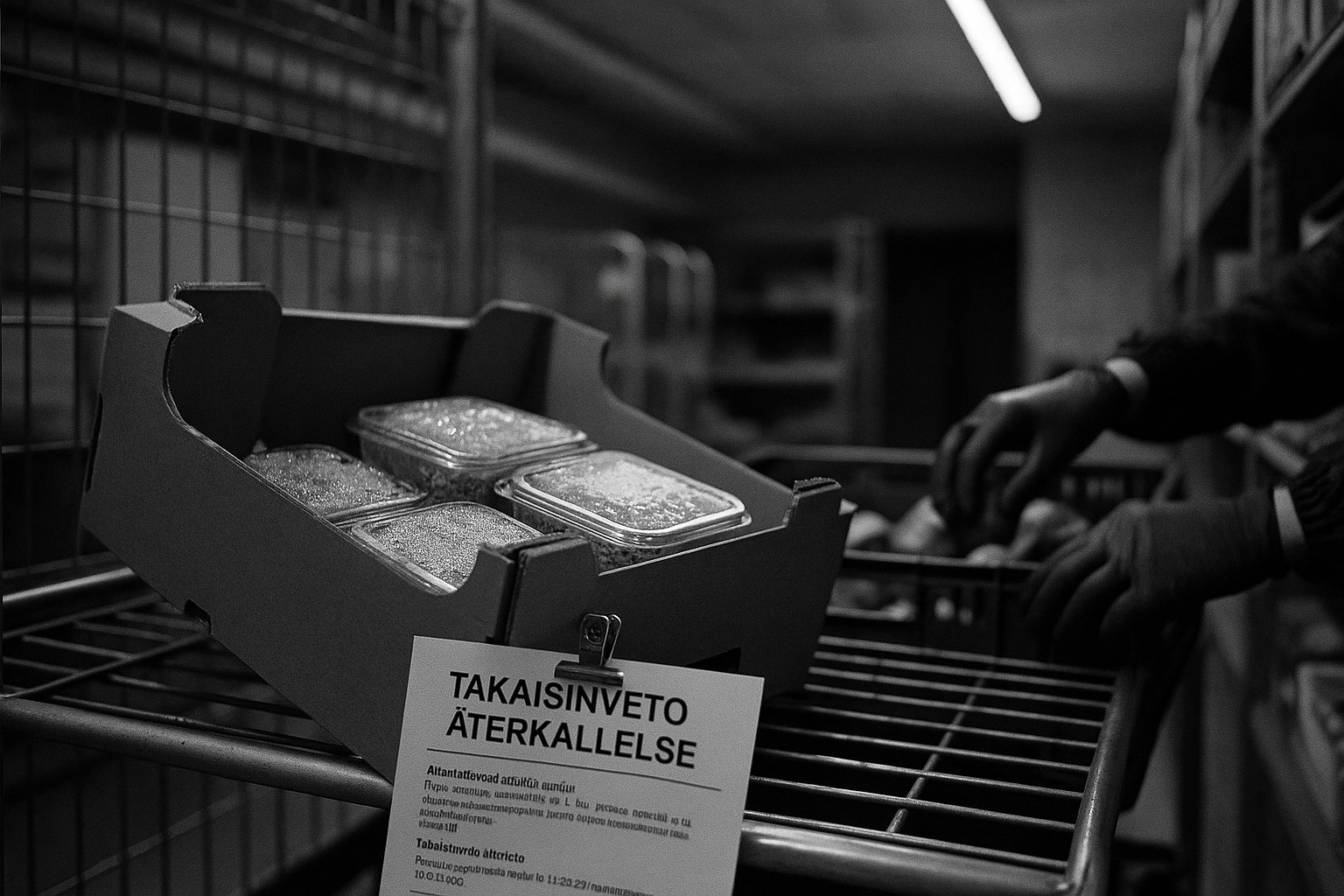
- The case raises questions about how contaminated sprouts entered the Finnish supply chain and how fast tracing and recalls followed.
- A cross-border food item produced cross-border illness, while treatment, inspections and enforcement costs fell on national authorities and hospitals.
At least two people in Finland died in a Europe-wide salmonella outbreak linked to alfalfa sprouts, turning a food-safety alert into a domestic public-health failure. Iltalehti reports, citing the European Centre for Disease Prevention and Control (ECDC), that at least 109 people in 11 European countries fell ill between January and May after infection with Salmonella Bovismorbificans.
Finland stands out because both outbreak-linked deaths were recorded there. Iltalehti writes that at least one person in Finland died after contracting salmonella from alfalfa sprouts during the spring outbreak. That shifts the Finnish story from contamination alone to timing: when the product entered the market, when health authorities identified the source, and whether the chain from importer to retailer was mapped quickly enough to stop further exposure.
Sprouts have long posed a particular food-safety problem because warm, humid growing conditions also suit bacteria, and contamination at seed level can spread through large batches before the product reaches consumers. Once the item crosses borders, the tracing burden falls on national agencies that must connect scattered illnesses to a common source, test samples, contact distributors and decide on recalls. Patients are treated locally, municipal and regional health services handle the cases, and food regulators absorb the inspection and enforcement work.
The outbreak also reaches beyond Finland. A single low-cost produce item moved through multiple countries, while the medical and administrative bill was paid country by country. That is the arithmetic of the European food market when surveillance works late: importers and distributors operate across borders, but hospitals, laboratories and public-health units do not.
Iltalehti's report says the outbreak was tied to alfalfa sprouts but does not, in the material available, identify the supplier or specify all affected regions inside Finland. Those details matter. The supplier determines whether this was a problem of imported seed, domestic handling, or both; the regional spread shows how far the product travelled before alarms were raised. The same applies to any recall notices or enforcement action that followed. A contamination event that ends with two deaths is no longer a routine advisory pinned to a food-agency website.
ECDC's count covers illnesses recorded from January to May. The sprouts were sold for days; the investigation will likely last longer.
Källor: Iltalehti