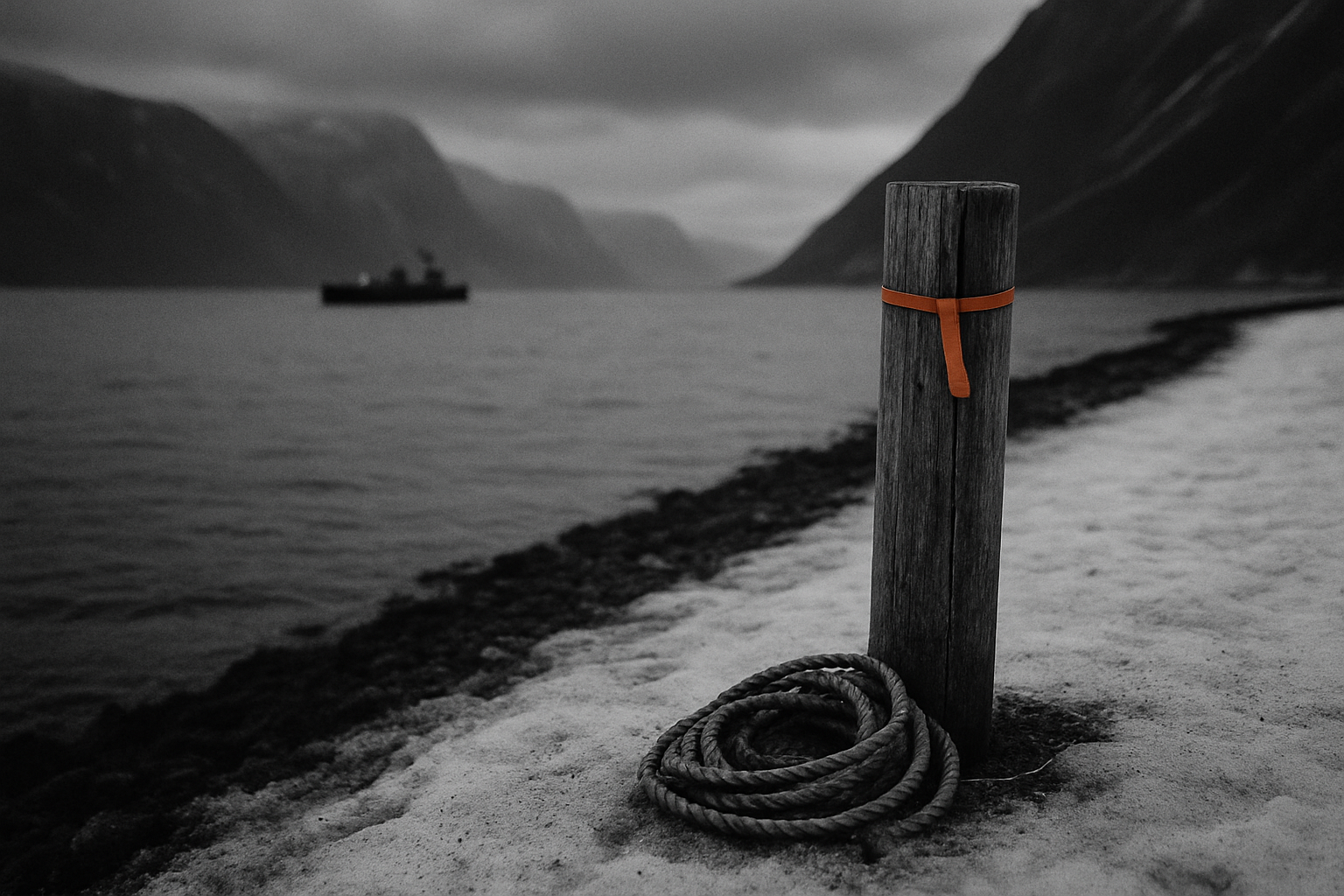
Sameting demands Repparfjord halt, Supreme Court ruling sharpens test for Oslo, mining permit now sits under indigenous-rights pressure
- The Sami Parliament wants the government to intervene and stop the Repparfjord dumping permit in Finnmark.
- The demand follows a Supreme Court ruling that the Sami Parliament says changes the legal basis for the project.
- The dispute pits copper extraction and industrial policy against Sami use of land and water.
- The government’s response will be watched as a signal for future mining projects in northern Norway.
The Sami Parliament has asked the Norwegian government to halt the permit allowing mine waste to be dumped in Repparfjord in Finnmark, after a recent Supreme Court ruling reopened the legal argument around indigenous rights and state decisions. Writing in Aftenposten, the newspaper reports that Sametinget now wants Oslo to step in directly and stop the disposal permit tied to the mining project.
The immediate dispute concerns a local fjord and a single permit. The larger conflict is older and harder to contain: Norway wants more mineral extraction in the north, while Sami institutions and local users argue that each new project narrows the space left for reindeer husbandry, fishing and other established uses. Repparfjord has long been one of the clearest examples because the project combines a copper mine, state-approved industrial development and submarine tailings disposal in a fjord already used by others. When governments describe such projects as part of the green transition, the bill still arrives in a particular place, on a particular coastline, for people with weaker control over permitting power than the ministries in Oslo.
The Supreme Court ruling has now given Sametinget a sharper instrument than political protest alone. A court judgment does not remove the ore body or the state’s interest in developing it, but it does force the government to show whether indigenous-rights protections are binding when they obstruct an approved project or merely persuasive until a ministry decides otherwise. That question reaches beyond Repparfjord. Northern Norway contains other contested deposits, and investors, municipalities and Sami rights holders will all read the government’s next move as guidance on what a permit is worth if it later collides with stronger legal findings.
There is also a credibility issue for the Norwegian state, which presents itself abroad as a country that takes indigenous rights seriously and manages Arctic resources under strict rules. A permit for dumping mining waste into a fjord was already a hard sell beside that image. Keeping it alive after a Supreme Court ruling has prompted Sametinget to demand intervention would make the gap easier to measure. The government can suspend, revise or defend the permit, but each option redistributes cost: delay for the company and local growth plans, or environmental and cultural risk for those who use the land and water without writing the licences.
The argument is now no longer only about copper, jobs or one fjord in Finnmark. It is about whether a Supreme Court judgment changes what the state is allowed to do before the first load of mine waste hits the water.
Källor: Aftenposten