Senja graphite plant changes hands, Norway tests critical-minerals strategy, expansion now hinges on permits and power
- Skaland Graphite on Senja has received new owners and a new managing director after a period of instability.
- The company wants to expand production at a time when graphite has become a strategic input for batteries, steel and other industrial supply chains.
- Any growth plan will depend on environmental approvals, access to electricity and transport infrastructure from a remote Arctic site.
- The case shows how a small Nordic country tries to move beyond exporting raw materials and capture more value at home.
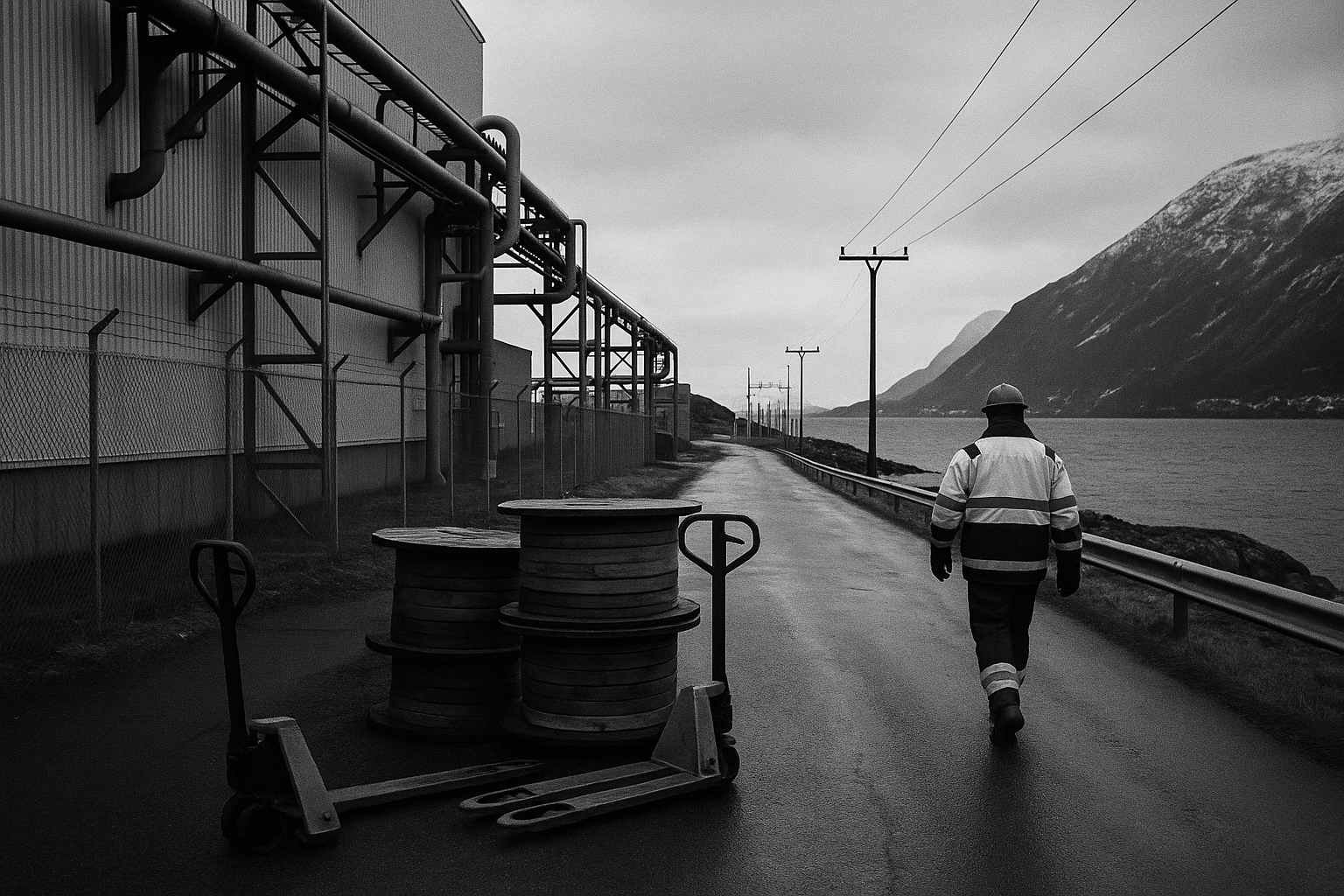
Skaland Graphite on the island of Senja in northern Norway has new owners, a new managing director and a plan to expand production at what is described as Europe’s largest graphite plant. In a report from NRK, the company says the mood has shifted within months from uncertainty to growth ambitions.
That matters beyond one industrial site on Senja. Graphite sits deep inside the supply chain for batteries, steelmaking and other manufacturing that European governments now classify as strategic. A mine and processing plant already in operation gives Norway something rarer than a policy paper: existing production, local competence and exportable material. The harder part is moving from extraction to durable industrial advantage. Expansion would require permits, more power and transport capacity from a remote coastal location where every additional tonne has to be moved in and out across infrastructure built for a small community, not a continental supply race.
The ownership change gives the plant fresh capital and a shorter political story: jobs now, promises later. But industrial growth in Norway rarely stops at the factory gate. More output means more land use, more energy demand and closer scrutiny of emissions, waste handling and local environmental effects. If the project grows, the bill is spread across more actors than the company alone: grid operators, municipal authorities, regulators and residents who live with the footprint. The upside is easier to count. A larger plant means more shifts, more export revenue and a stronger case for keeping processing in Norway rather than shipping raw material abroad and buying back higher-value products later.
Skaland also fits a wider Nordic contest. Finland has pushed hard into battery minerals and refining, Sweden has marketed its mining belt as part of Europe’s green reindustrialisation, and Norway has the advantage of energy, ports and a long habit of commodity exports. What it often lacks is speed. Critical minerals policy across the region is full of strategies about sovereignty and supply security; projects still have to clear local objections, environmental reviews and power constraints one by one. The countries that capture the margin are the ones that process, refine and ship on time, not the ones that merely discover ore and announce ambition.
On Senja, the concrete question is smaller and harder: whether a graphite plant with new owners can secure the approvals and electricity needed to grow from a remote Arctic island. The ore body is already there, and so is the harbour.
Källor: NRK