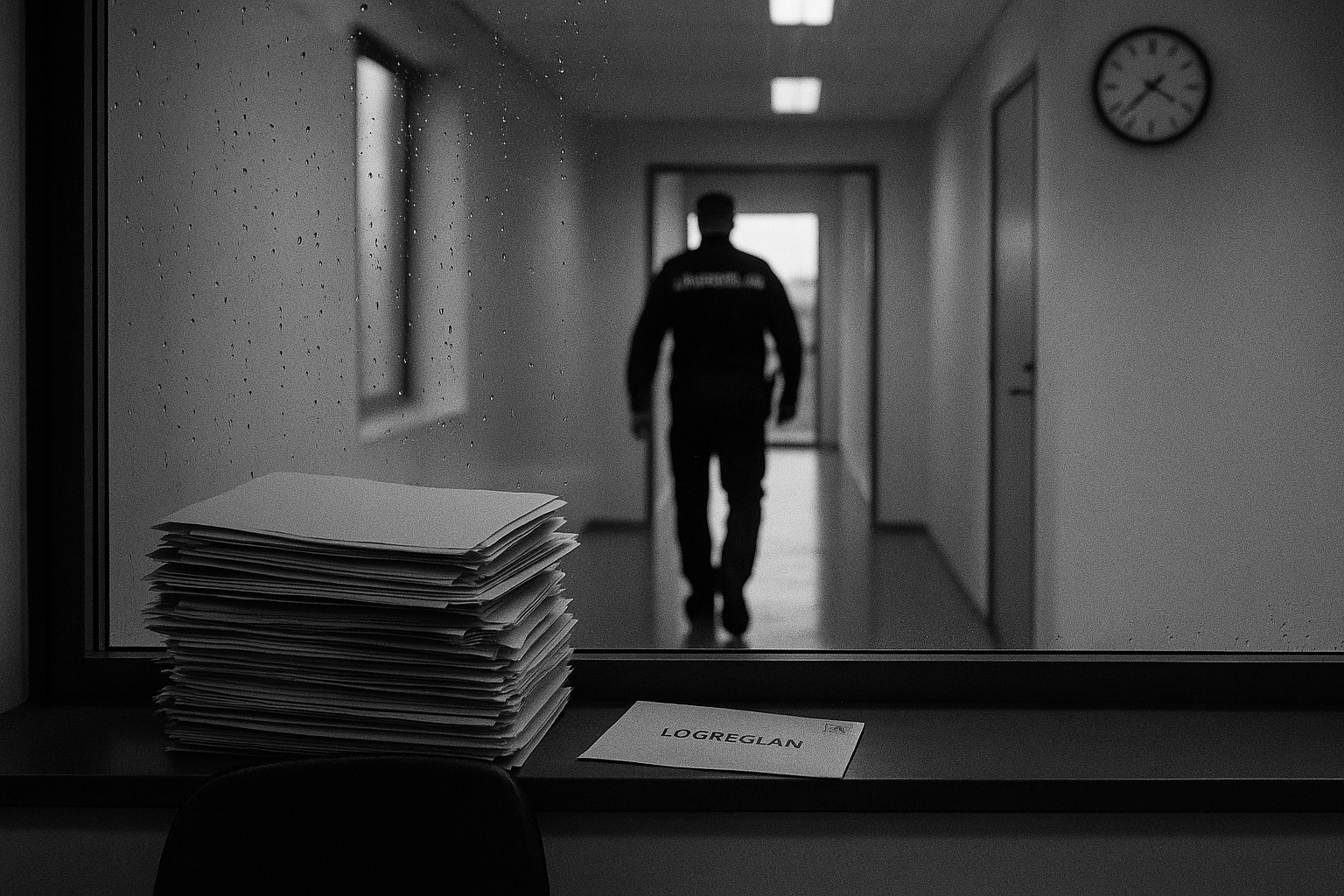
Silfra inquiry stalls, police withheld records, Iceland watchdog questions internal oversight
- The committee says it learned about the Silfra incident from media coverage, not from police notification.
- Police answered the committee’s request for information 16 days later, according to Morgunblaðið.
- The watchdog says delays and missing documents prevented a sufficient investigation.
- The case exposes a dependency built into oversight: investigators need the police to hand over the material needed to examine police conduct.
The investigation into the Silfra incident was compromised before it properly began. According to Morgunblaðið reports, Iceland’s police oversight committee says it was not notified of the incident by police at all, but learned of it from media coverage the following day. When the committee then requested information, police did not respond for 16 days.
The committee’s conclusion is narrow but damaging: the delays and the absence of important documents made a sufficient investigation impossible. Morgunblaðið reports that the material supplied by police was inadequate. The article points in particular to missing key records, though the committee’s complaint is less about a clerical gap than about sequence and control. First the incident was not reported to the body meant to examine it. Then the request for information sat unanswered for more than two weeks. By the time material arrived, the committee says the basis for a full review was already weakened.
That matters beyond Silfra because Iceland’s oversight system appears to rely on the police to trigger scrutiny and to furnish the records needed for it. If the reporting is late, selective or incomplete, the watchdog does not have an independent archive to fall back on. It has the media report, its own request, and whatever the police later decide to send. An oversight body can be formally independent on paper and still depend on the institution it is examining for the raw material of any inquiry.
Morgunblaðið’s account does not by itself establish whether this was a one-off breakdown or part of a broader administrative habit. But the details already show where the pressure points are. The committee says it heard of the event from journalists rather than from the police chain of reporting. It says the reply took 16 days. It says important records were missing. Each of those failures narrows what can be checked later: timelines, decisions, internal communication, and who knew what when.
For law-enforcement agencies, delayed disclosure carries an obvious advantage. The institution under review keeps custody of the documents, sets the pace of release, and can turn an external investigation into a reconstruction exercise. In Silfra, the watchdog’s own account is that it never received enough to complete the job. The missing records were not an appendix. They were the investigation.
Källor: Morgunblaðið