Stegra signs rail deal, Boden plant edges toward start-up, northern bottlenecks still decide timetable
- Sveriges Radio Ekot reports that Stegra has signed a new transport agreement with Green Cargo for rail freight to and from the Boden steel plant.
- The company had earlier slowed construction, but is now increasing the pace and preparing for a factory start-up, likely during next year.
- For Boden, the project's local payoff depends on whether rail capacity, electricity supply and industrial logistics can support continuous operations.
- The agreement points to movement from planning into operating preparation, though the plant's timetable still rests on infrastructure outside Stegra's fence line.
Stegra has signed a new agreement with Green Cargo for rail transports to and from its steel plant in Boden, a practical step as the company resumes preparations for start-up after earlier delays. Sveriges Radio Ekot reports that construction had slowed, but is now picking up again, with the factory expected to begin operating likely next year.
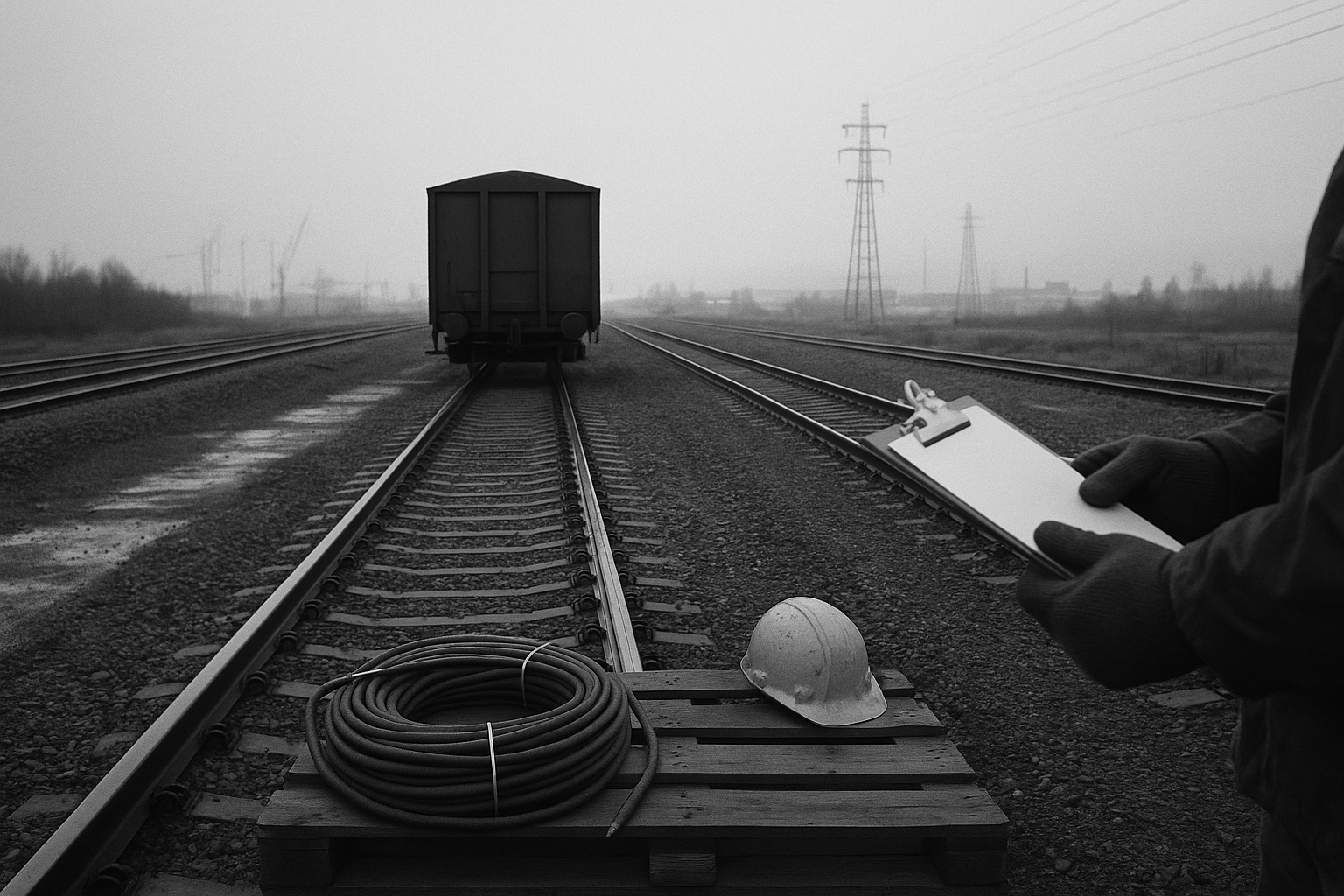
That matters because rail contracts are not the decorative part of a steel project. Boden sits in northern Sweden, far from major markets and dependent on heavy infrastructure that has to work every day: ore and input materials in, finished steel out, electricity delivered at industrial scale, and enough rail capacity to keep inventories from piling up. A plant can miss a press deadline and survive; it cannot run a steel business without freight slots.
Stegra's logistics manager Jenny Marin told Ekot that the Green Cargo agreement is "very important" for the company. The wording is restrained, but the point is plain enough. If the project is moving from slowed construction back toward commissioning, logistics contracts become a test of seriousness. Equipment, raw materials, contractors and future customer deliveries all need a route. In northern Sweden, that route is usually rail.
For Boden, the question is no longer only how many jobs the project may create, but what the municipality and the wider region must carry to make those jobs real. Large industrial sites draw housing demand, road traffic, grid pressure and public-service costs long before production reaches steady volume. The upside is concentrated in future payrolls and supplier contracts; the bill arrives earlier, in land preparation, transport links and capacity that must be built before the first tonne leaves the plant.
The wider green-industry push in northern Sweden has produced no shortage of announcements. What has been scarcer is evidence that the pieces outside company presentations are lining up on schedule. A rail agreement does not settle the larger questions around power, cost control or commissioning risk, but it does mark a shift from promise to movement. Freight bookings are less rhetorical than sustainability targets.
Stegra now says the factory will likely start next year. In Boden, that timetable will be measured less by speeches than by whether trains begin arriving and leaving on time.
Källor: Sveriges Radio Ekot