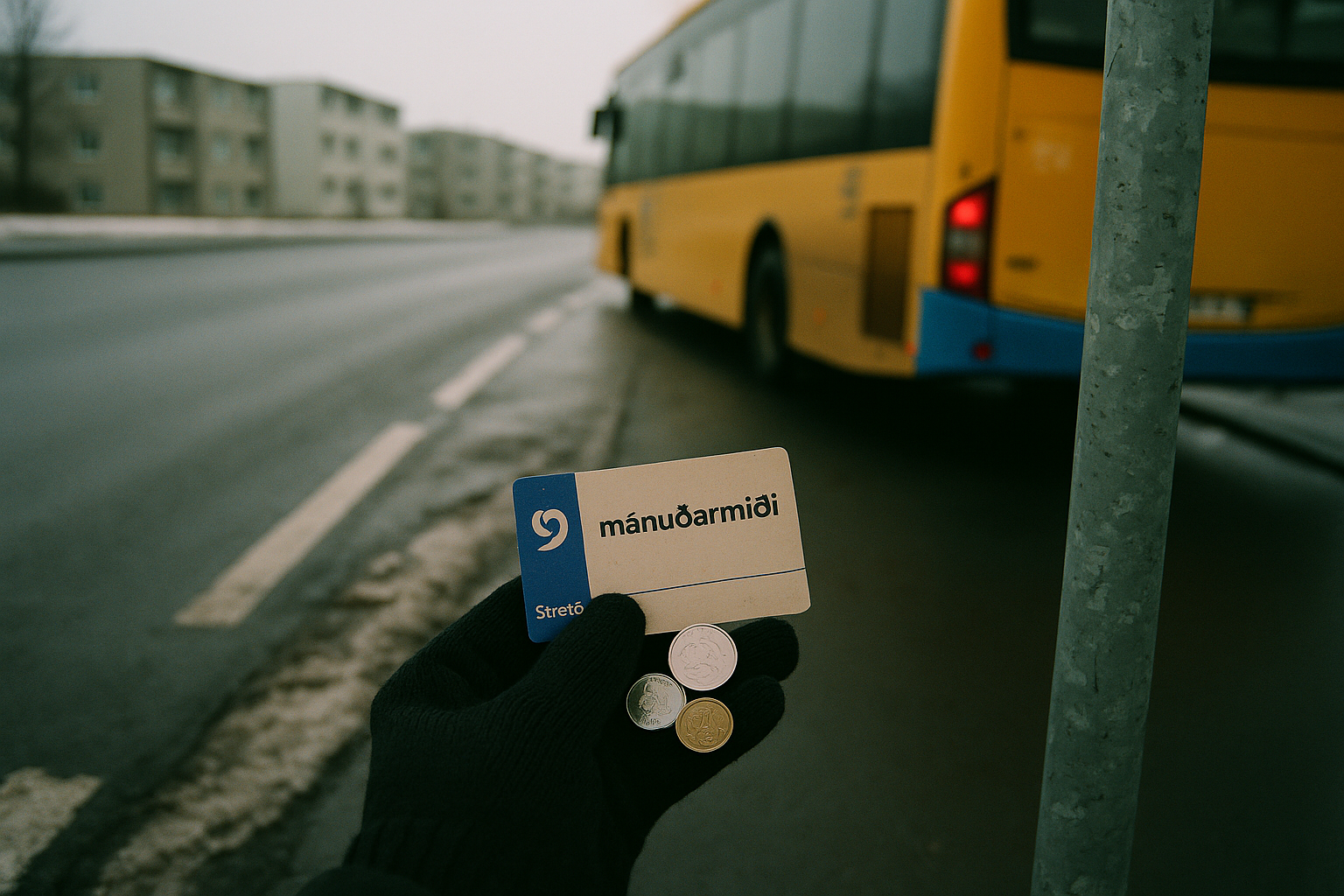
Strætó raises commuter fares again, annual increase beats inflation, single tickets stay flat
- A 30-day pass rises from ISK 11,600 to ISK 12,000; an adult annual pass from ISK 116,000 to ISK 120,000.
- The latest increase is 3.45 percent and follows a January rise of 3.6 percent for period tickets.
- Strætó says fares are reviewed twice a year and adjusted in line with expected consumer price inflation.
- With single fares unchanged, the latest increases fall on regular riders rather than occasional passengers.
Strætó, the publicly backed bus operator serving the Reykjavík capital area, will raise period ticket prices again on Thursday, the second fare increase this year. RÚV reports that a 30-day pass will rise from ISK 11,600 to ISK 12,000 and an adult annual pass from ISK 116,000 to ISK 120,000, while the single adult fare stays at ISK 690.
The latest adjustment is 3.45 percent. Added to the January increase, when period tickets rose 3.6 percent and single fares 3 percent, the cumulative increase for commuter passes reaches 7.2 percent over 12 months. RÚV notes that annual inflation has been running around 5 percent, leaving Strætó's period tickets ahead of the general price level. Youths and pensioners keep their 50 percent discount, and disabled passengers their 70 percent discount, so their passes rise by the same proportion.
Strætó said in a notice that the increase follows company policy to align prices with the expected rise in the consumer price index, and that the fare schedule is reviewed twice a year. Earlier this year, chief executive Jóhannes Svavar Rúnarsson told Morgunblaðið that the January rise matched an expected 3.5 percent increase in the price index in Iceland's macroeconomic forecast for 2026. The arithmetic has since moved against riders: forecast inflation was lower than the inflation actually measured, but the pass increases have still ended up above both.
The split between frozen single fares and rising period tickets matters because it redistributes the increase inside the fare system. Occasional passengers now pay the same ISK 690 as before, while people who use the network daily absorb the second increase of the year. For a rider buying 12 monthly passes, the annual cost moves from ISK 139,200 to ISK 144,000. The annual pass reaches the same figure by another route.
That leaves the regular commuter paying more for a service that municipalities continue to support with public money. Strætó's explanation, as cited by RÚV, is indexed pricing rather than any announced overhaul of routes or service levels. The company reviews fares twice a year; the passengers who depend on those fares now know what that means in kroner and dates.
Källor: RÚV