Svenska kraftnät offers retroactive payouts, grid delays raise land costs, Swedish consumers fund faster corridors
- Landowners are being promised extra money later if higher compensation rules are adopted in 2027 or 2028.
- The offer shows how grid expansion is colliding with private property rights and slow permit processes.
- Higher land compensation may shorten negotiations, but the added cost will move through the regulated grid system to users.
- The dispute is not only Swedish: Nordic electrification plans depend on building more transmission capacity across privately owned land.
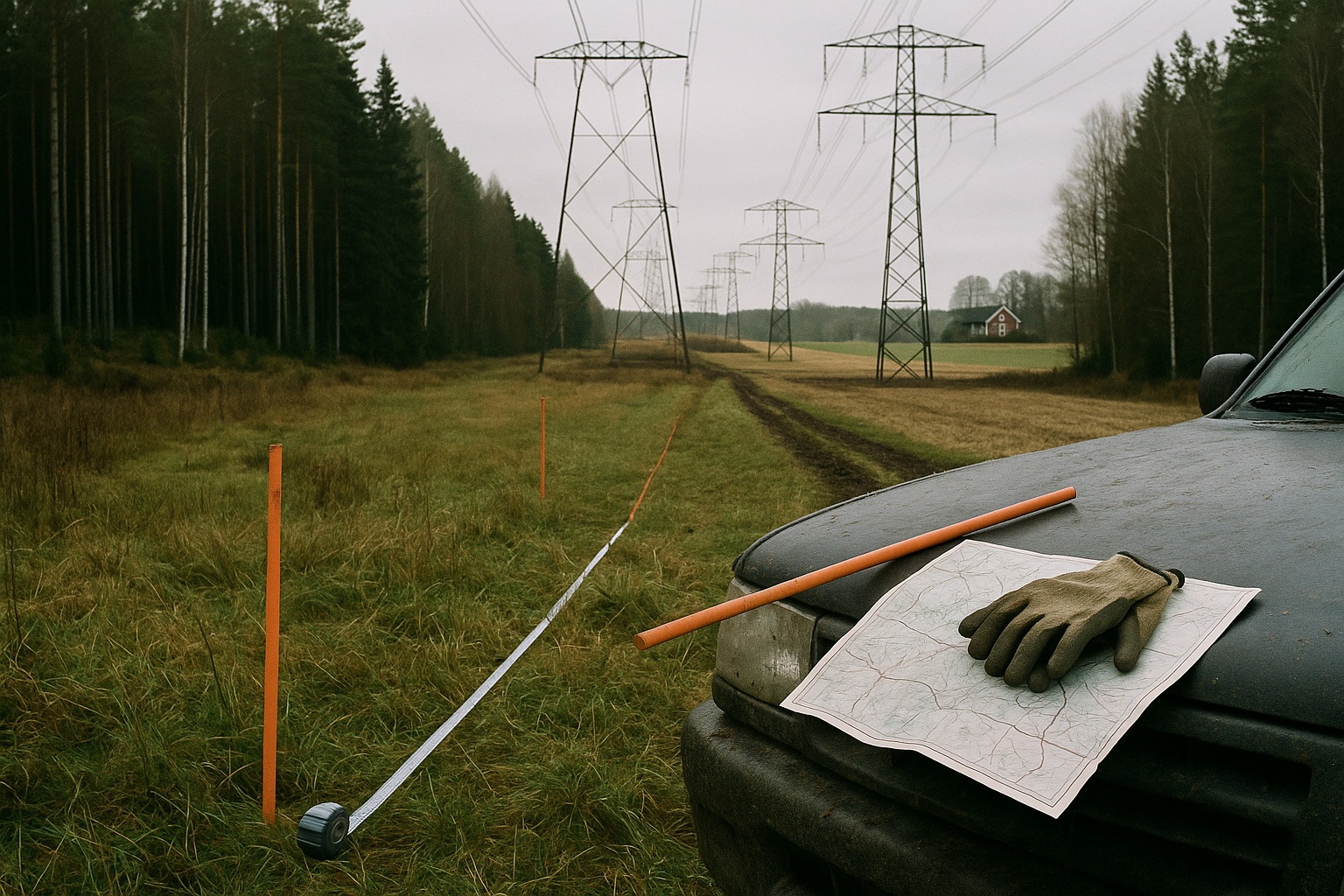
Svenska kraftnät, the Swedish national grid operator, is offering landowners a new deal: sign now, and receive retroactive extra compensation later if Sweden goes ahead with a planned doubling of payments for power-line corridors in 2027 or 2028. Svenska Dagbladet reports that the measure is intended to get grid projects moving by making it easier to secure access to private land.
The offer is small in form and large in implication. Sweden's grid expansion has been held back not only by engineering and environmental reviews, but by the simple fact that new lines cross forests, farms and other privately owned property. When compensation is low, landowners have every reason to contest routes, delay agreements or force formal proceedings. A promise of retroactive money is an admission that the old price has not been enough to clear the land.
That matters because transmission build-out sits underneath much of Sweden's industrial policy. New mines, battery plants, data centres and electrified heavy industry all require more capacity, while the state has been trying to push more generation and more demand onto a network that is slow to expand. If corridor access can be bought more quickly, some projects may move faster. If it cannot, the backlog remains, only with a higher bill attached.
The cost does not disappear. Svenska kraftnät finances its investments through the grid system, and higher land compensation becomes part of the cost base carried by network users over time. For households, the effect will be diluted across tariffs; for large power users, it becomes another line in the cost of electrification. The state is trying to reduce delay by paying more for consent after years of relying on a cheaper model that produced objections, appeals and waiting.
The episode also points to a wider Nordic constraint. Across the region, governments and grid companies want faster electrification, more transmission and shorter permit times. The lines still have to pass through someone's land. When official compensation lags behind the value owners place on forests, fields and future use, resistance is not a communication problem. It is a pricing problem with legal paperwork attached.
For now, the sweetener is only a promise tied to a reform that has not yet taken effect. Sweden's grid operator is asking landowners to trust that a better deal may arrive in 2027 or 2028, while the pylons are needed now.
Källor: Svenska Dagbladet