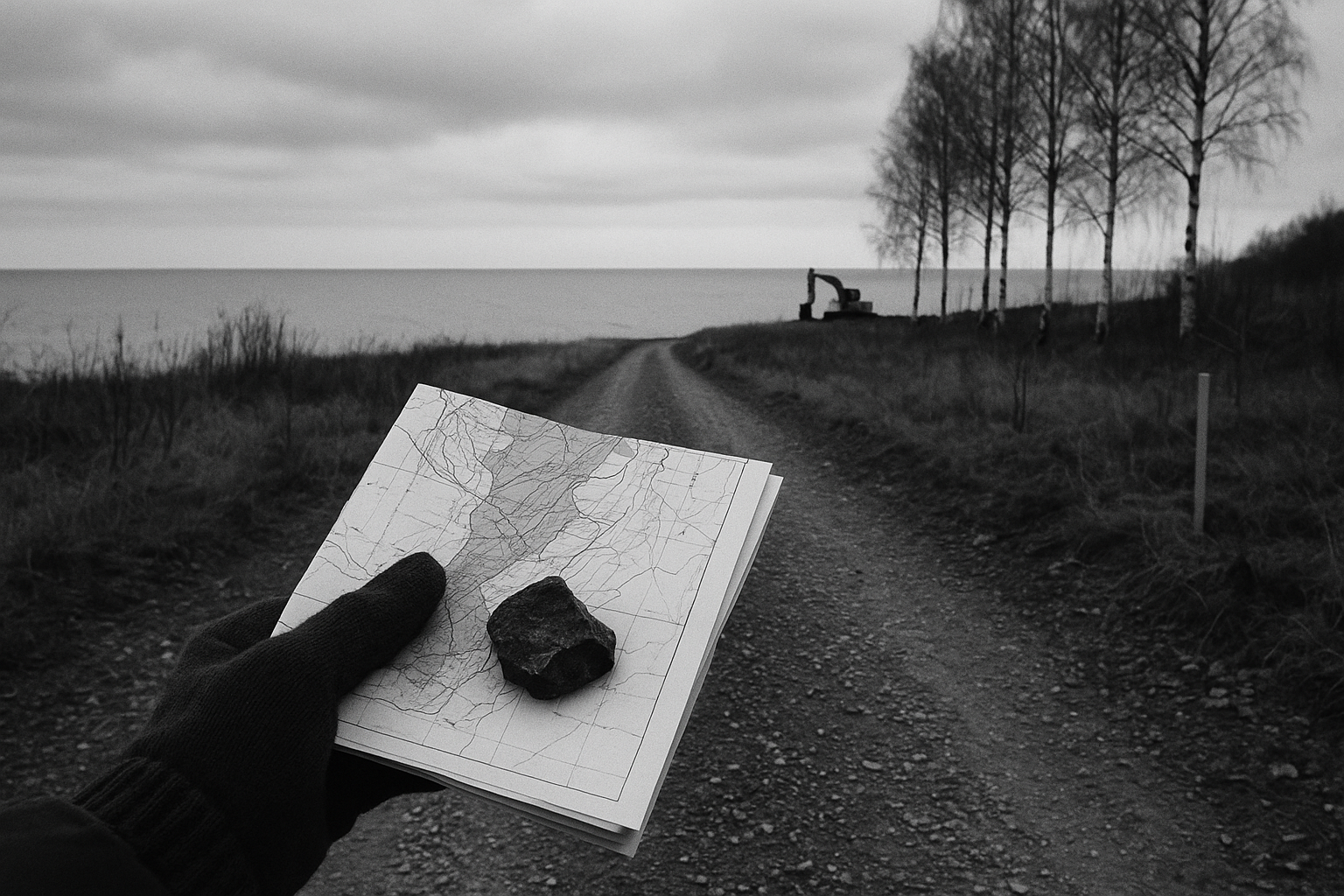
Sweden clears Norra Kärr study, Vättern mine tests critical-minerals policy
- The government says the Norra Kärr deposit may be investigated further.
- The site near Lake Vättern contains rare earth elements, a mineral group Europe wants to source domestically.
- The project has faced years of opposition tied to land use and risks to the surrounding environment.
- The next fight is less about geology than permits, water, waste and how much political backing the mine receives.
Sweden’s government has given the Norra Kärr deposit north of Gränna permission to be examined further, reopening a mining project beside Lake Vättern that has been tied up for years. Svenska Dagbladet reports that the decision was announced in a government press release and concerns one of the EU’s few known deposits of rare earth elements.
That puts a local land-use dispute inside a larger European supply problem. Rare earths sit inside magnets, electric motors and defence systems, and Brussels has spent the past few years talking about strategic autonomy while importing much of the material chain from China. A deposit in southern Sweden does not solve that dependence by itself. It does, however, give Stockholm something concrete to point to when industrial policy shifts from speeches to blasting, tailings ponds, haul roads and permit appeals.
Norra Kärr’s location is what makes the project politically useful and politically difficult at the same time. The ore body lies near Vättern, one of Sweden’s most important lakes, in an area where residents and environmental groups have long argued that mining waste, water handling and transport would impose the risks locally while the gains flow elsewhere. The government has now allowed further investigation, but that is the easy decision. The expensive part comes later: environmental review, design changes, legal challenges and whatever infrastructure is needed to turn a deposit into a functioning mine and processing chain.
That matters because Europe does not need only ore in the ground. It needs separation capacity, financing, long-term buyers and a permit system willing to move faster than the objections stacked against any mine near populated or environmentally sensitive land. If Sweden wants Norra Kärr to become more than a map reference in policy papers, the state may end up clearing regulatory obstacles, underwriting parts of the risk or accepting that strategic-minerals policy means visible trade-offs rather than abstract climate targets.
The upside, if the project survives, is concentrated among mining interests, industrial buyers looking for non-Chinese supply, and a government eager to show that critical-minerals policy can produce domestic extraction. The bill is easier to locate geographically. It sits by Vättern, where every additional permit document will be read against the same fact: one of Europe’s more coveted deposits lies next to one of Sweden’s most sensitive bodies of water.
Källor: Svenska Dagbladet