Sweden clears road backlog by 2037, rail repairs pushed further, transport budget exposes state priorities
- The government says the road maintenance backlog will be eliminated by 2037.
- Rail maintenance debt will take longer to clear, leaving existing bottlenecks in place.
- The plan turns scarce transport funding into a choice between politically visible road upgrades and harder, costlier rail repairs.
- Regions dependent on reliable freight rail and commuter lines risk waiting longer while road-heavy areas benefit sooner.
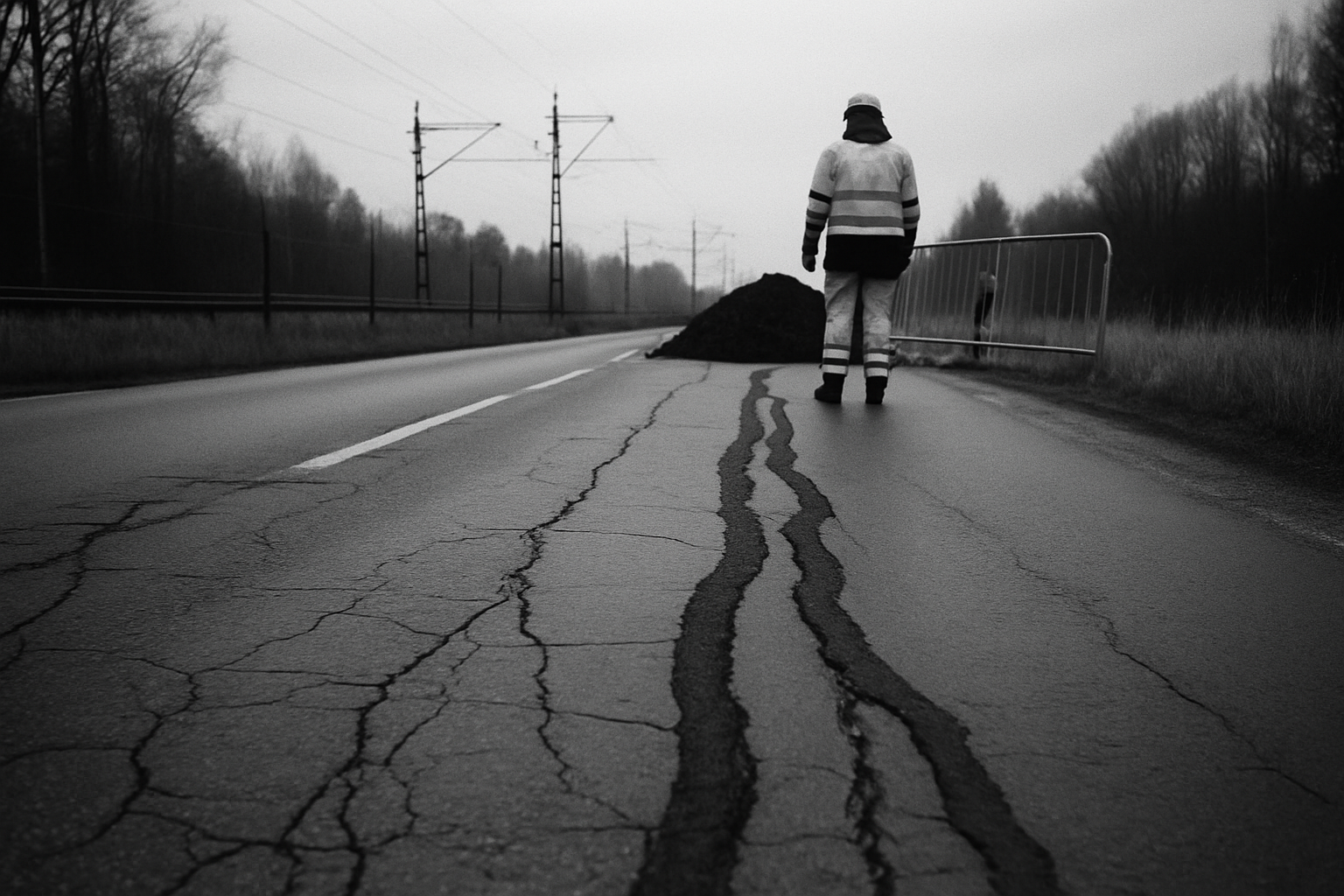
Sweden’s government has presented a new national infrastructure plan built around a clear promise: by 2037, the country will have no deferred road maintenance left. Expressen reports that potholes and other accumulated wear in the road network are to be fixed within the plan period, while the maintenance debt on the railways will remain unresolved for longer.
That distinction matters because road and rail failures do not hit the economy in the same way. A worn road can mean lower speeds, heavier vehicle costs and more accidents; a worn railway can shut down an entire line, delay commuter traffic across a metropolitan region or stall freight flows through a corridor with few substitutes. When the state says one backlog gets a deadline and the other does not, it is also deciding where unreliability will continue to sit. The choice is easier to defend politically on roads, where deterioration is visible to every driver, while rail problems often appear as recurring delays, reduced capacity and postponed upgrades spread across years.
The price tag is the center of the dispute, even where the government’s headline promise is simple. Clearing a maintenance debt means current taxpayers fund years of postponed upkeep on top of ordinary annual maintenance, while other projects wait. What is deferred here is not only rail repair itself but also the capacity gains that depend on a more reliable network: fewer signal failures, less wear-related disruption, and more predictable timetables for commuters and freight operators. A krona spent filling the road backlog is a krona not spent shortening the queue of rail renewals.
The regional effects are unlikely to be evenly distributed. Areas where long-distance car travel and truck freight dominate stand to see earlier gains from smoother roads and lower vehicle wear. Regions tied to congested commuter rail, industrial freight lines and mainline passenger traffic will keep paying for delays that do not show up as a pothole but still consume time, wages and rolling stock. The winners are likely to be places where the state can point to repaired asphalt; the losers are places where economic activity depends on rail capacity that remains rationed by age and breakdown risk.
The plan therefore does more than sequence maintenance. It sets a timetable for which failures Sweden wants gone first, and which ones businesses and passengers are expected to absorb for a few years more. By 2037, the government says the potholes should be gone. The rail debt, according to the same plan, will still be there.
Källor: Expressen