Sweden Exports Murderers and Rapists to Estonian Prison, Tartu Residents Furious
- Sweden's prison system is at breaking point after years of gang violence convictions, prompting the government to lease cells abroad
- Tartu residents are openly hostile to the deal, with one local calling it 'an absolutely terrible decision'
- The Estonian-Swedish agreement has already been signed, but public backlash in Tartu shows no sign of fading
- The arrangement raises questions about whether Sweden is offloading the institutional costs of its domestic crime wave onto a smaller Baltic neighbour
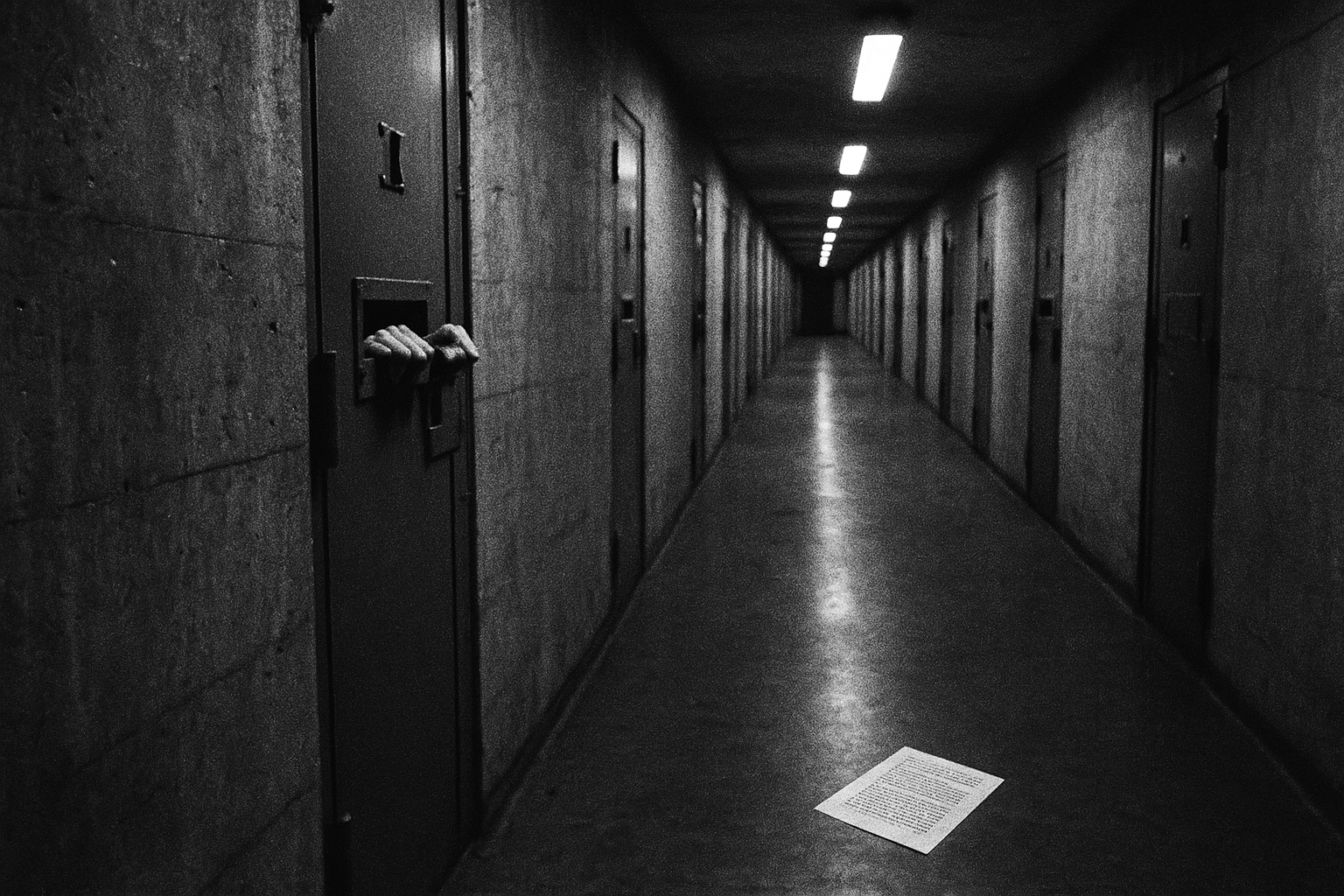
Sweden has begun transferring convicted murderers and rapists to Tartu Prison in Estonia under a bilateral cell-leasing agreement already signed by both governments. Iltalehti reports that the deal has provoked fierce and sustained opposition among Tartu residents, with one local, Mati Kongas, calling the transfer of Swedish prisoners "an absolutely terrible decision" as he walked along the city's Küüni pedestrian street. The agreement is in force, but the backlash has not subsided.
Sweden's prison system has been under extraordinary strain for years. A surge in gang-related violence — shootings, bombings, and the organised crime networks behind them — has produced a wave of long sentences that the Swedish Prison and Probation Service (Kriminalvården) simply cannot absorb. Capacity has been a known problem since at least 2019, and successive governments have promised new prison construction without keeping pace with demand. The political solution, it turns out, is to lease cells in a neighbouring country with spare capacity and lower operating costs.
What makes the arrangement politically toxic is the asymmetry. Sweden generated the crime wave through decades of policy choices — liberal immigration, segregated suburbs, an overwhelmed justice system that for years handed down lenient sentences. Now that tougher sentencing has finally arrived, the physical infrastructure to house the convicts does not exist. Estonia, a country of 1.3 million people, is being asked to absorb the overflow. The residents of Tartu, Estonia's second city and a university town, did not vote for Swedish immigration policy or Swedish gang tolerance. Yet they now live alongside Sweden's most dangerous inmates.
The terms of the lease agreement remain opaque. How much Sweden is paying per cell, what security guarantees have been made, and what happens if an inmate escapes or causes harm on Estonian soil — these are questions Tartu residents are asking and not getting clear answers to. "Nobody knows what will happen," is the blunt summary from the street, according to Iltalehti's reporting. That uncertainty itself is telling: it suggests the deal was negotiated between governments without meaningful public consultation on the Estonian side, a pattern familiar to anyone who has watched how Nordic states handle inconvenient domestic failures.
The broader pattern is worth examining. Sweden has Europe's highest rate of fatal shootings per capita. Its prison population has grown sharply as courts finally impose sentences that match the severity of gang crimes. Rather than accelerate domestic prison construction — expensive, slow, politically complicated in a country where every building project faces years of permitting — Stockholm found it cheaper to rent cells abroad. The institutional cost of Sweden's crime crisis is now literally being exported across the Baltic Sea.
Estonia's government presumably judged the revenue worth the political friction. Whether Tartu's residents agree is another matter. The Swedish inmates are already arriving in a city whose locals were never asked.
Sources: Iltalehti