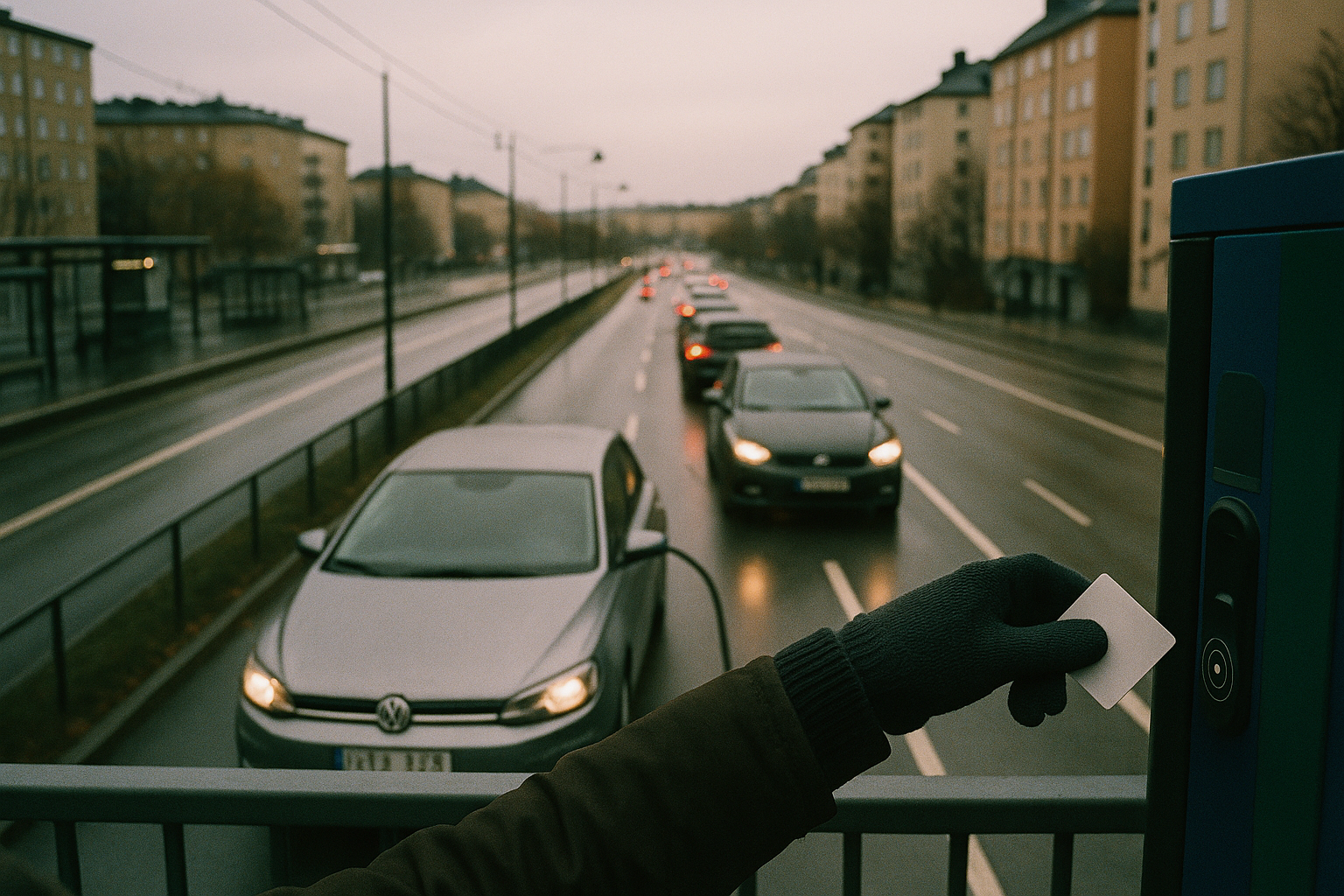
Sweden nears EV majority, Nordic lag cost SEK 100bn in fuel imports, Norway moved first
- A new forecast says battery-electric cars will make up 50% of new car sales in Sweden next year.
- Svenska Dagbladet says Sweden’s delayed transition has cost over SEK 100 billion in imported fossil fuels.
- Norway pushed EV adoption earlier with heavier tax advantages and a clearer policy line.
- The bill for slower adaptation has fallen on Swedish motorists through fuel purchases and on the wider economy through higher import dependence.
Battery-electric cars are expected to account for half of all new car sales in Sweden next year, a threshold the market has been circling for years. Svenska Dagbladet reports that the delayed arrival has already carried a large price tag: more than SEK 100 billion in fossil-fuel imports that Sweden kept buying while neighbouring Nordic countries cut faster.
The forecast points to a sharp acceleration rather than a gradual glide. Sweden has had high environmental ambitions on paper, but the car market moved under a policy mix that shifted between purchase bonuses, tax changes and weaker incentives once public finances tightened. That left households and fleets making long-lived decisions under less predictable rules than in Norway, where electric cars were given broad and durable advantages through tax exemptions, toll benefits and a political line that stayed in place long enough to reshape the market. Norway reached mass adoption early; Sweden kept one foot in the old fleet and kept paying at the pump.
The SEK 100 billion figure gives the delay a harder edge. Fuel imports are not just a climate statistic but a transfer of purchasing power abroad, year after year, while domestic electricity production already covers the energy that electric vehicles would use. The slower turnover also means Sweden has carried a larger stock of petrol and diesel cars for longer, locking in fuel demand beyond the year of purchase. Consumers paid directly through higher running costs, while the wider economy carried the import bill. Neighbouring countries that moved earlier reduced both faster.
The comparison with Norway is awkward for Stockholm because the gap was visible long before this forecast. One Nordic country made electric cars the financially obvious choice and built a market around that fact. The other adjusted incentives, withdrew some of them, and arrived later at the same destination. Next year’s 50 per cent mark will still leave half of new Swedish cars outside the electric column, after more than SEK 100 billion has already gone to imported fossil fuel.
The tipping point arrives with Sweden still paying for years when it did not tip.
Källor: Svenska Dagbladet