Sweden pauses teen deportations to conflict zones, two sisters already sent to Iran plead for help
- The Tidö coalition parties have paused so-called 'teen deportations' while new legislation is drafted
- Sisters Donya and Darya Javid Gonbadi were deported from Sweden to Iran months ago and report worsening conditions since war broke out
- The pause raises questions about how the Migration Agency assessed Iran's security situation at the time of deportation
- Whether the freeze signals a genuine policy shift or a temporary political manoeuvre remains unclear
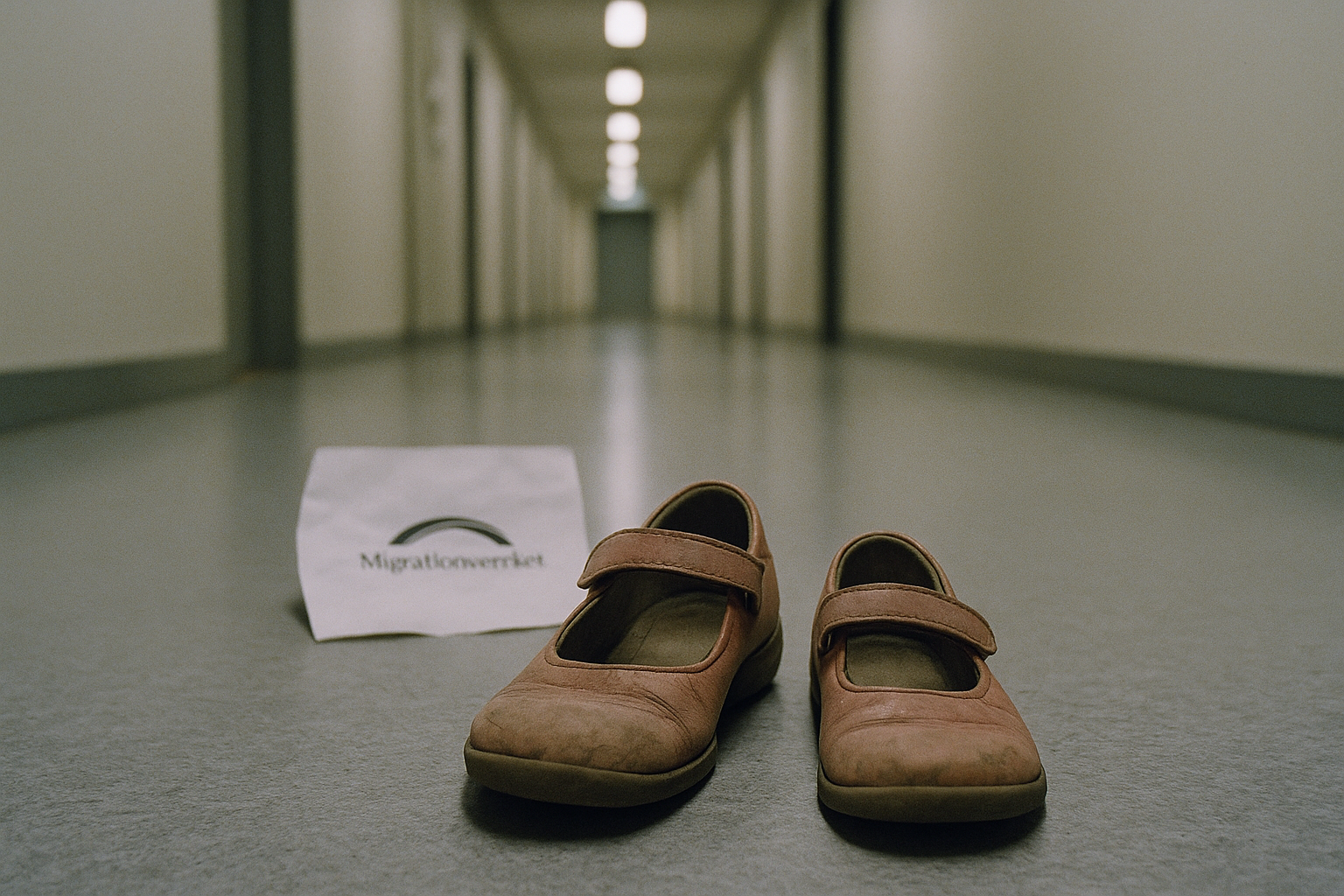
Sweden's four governing Tidö coalition parties have paused the deportation of teenagers to countries in conflict while new legislation is prepared. The freeze comes months too late for Donya and Darya Javid Gonbadi, two sisters already deported from Sweden to Iran, who told Swedish Radio's Ekot they live in constant fear. "We don't want to die," they said, describing conditions that have deteriorated sharply since military conflict engulfed the country.
The so-called teen deportations — cases where young people who arrived in Sweden as minors were ordered removed upon turning eighteen — have drawn sustained criticism from legal advocates, opposition politicians, and refugee organisations. The core objection is straightforward: the Swedish Migration Agency (Migrationsverket) and the migration courts assessed security conditions in countries like Iran and Afghanistan at the moment of decision, then deported young people into situations that had worsened considerably by the time they arrived. In the Javid Gonbadi sisters' case, the security assessment that underpinned their deportation order was made before the current conflict escalation. The agency's institutional process — slow-moving, precedent-bound, and reluctant to revisit completed cases — meant the sisters were put on a plane regardless.
The coalition's pause raises several questions that remain unanswered. How many individuals have already been deported under similar circumstances, and what obligation, if any, does Sweden have toward them now? The Tidö agreement between the Moderates, Christian Democrats, Liberals, and Sweden Democrats was built partly on tightening asylum rules and increasing deportation rates. A freeze, even a temporary one, cuts against that political logic. The fact that it happened suggests the political cost of defending these deportations — particularly when images and testimony from deported teenagers reach Swedish media — exceeded the cost of a reversal.
What the new legislation will contain is unclear. Drafting law takes time; Sweden's legislative process involves committee referrals (utredningar), public consultations (remissrundor), and parliamentary debate. If the pattern holds, the inquiry alone could take a year or more. During that period, the affected teenagers exist in legal limbo — neither formally safe nor formally deportable. The fiscal cost of maintaining cases in the system, providing legal representation, and potentially processing new asylum claims will fall on the Migration Agency's already strained budget. Whether this amounts to more or less than the cost of deporting people to war zones and managing the diplomatic and legal fallout is a calculation no one in government appears eager to publish.
For the Javid Gonbadi sisters, the policy discussion is abstract. They were raised in Sweden, educated in Swedish schools, and speak Swedish. They are now in Iran, in a country at war, with no consular support from the state that sent them there. The pause protects the next group of teenagers. It does nothing for the ones already gone.
Sources: Sveriges Radio Ekot