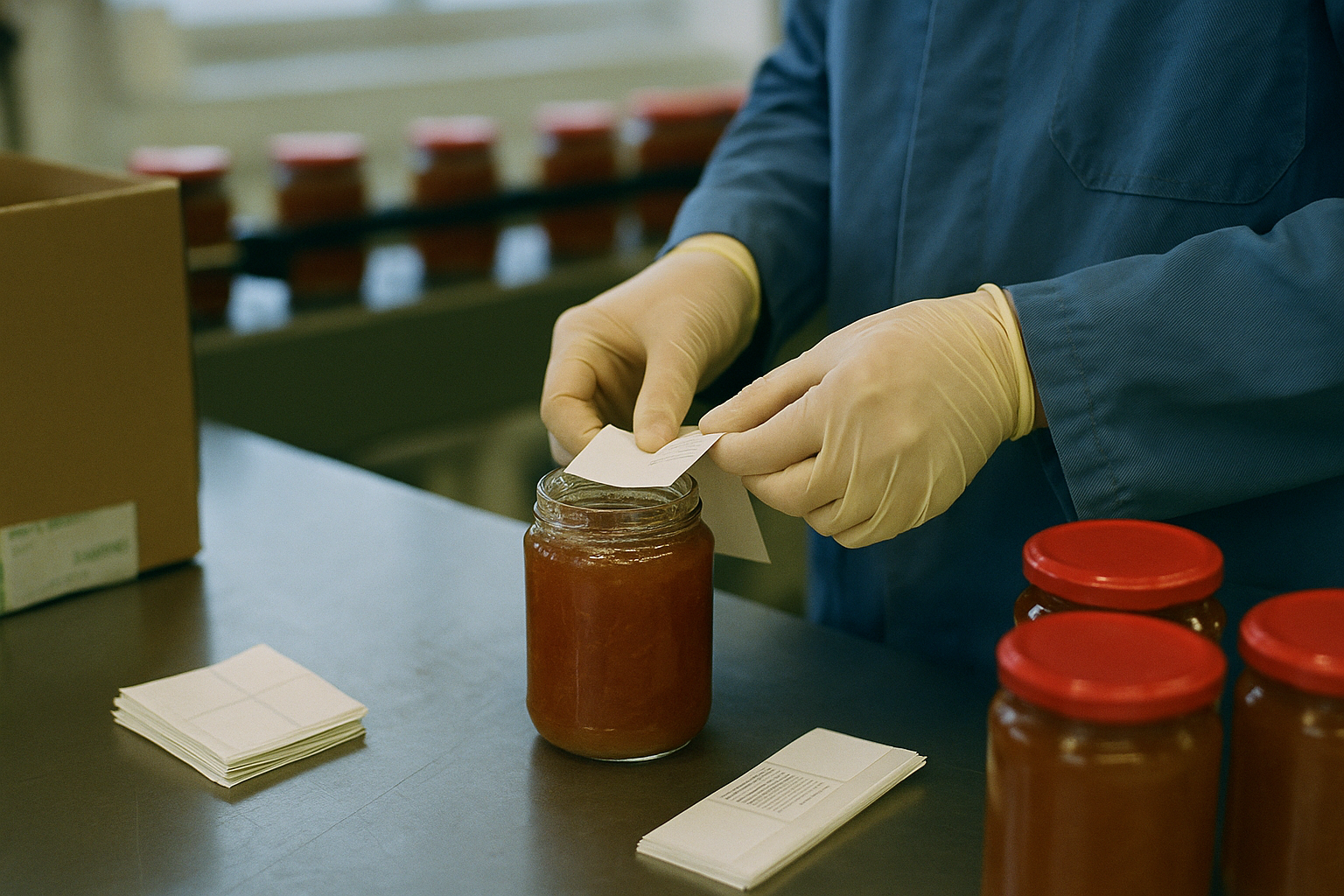
Sweden tightens jam rules, higher fruit quotas and label demands shift costs through food chain
- Marmalade must now contain at least 45 grams of fruit per 100 grams, up from 35 grams
- The Swedish Food Agency says the new rules also tighten labelling requirements for jam, juice and honey
- Producers and importers may need to reformulate products and replace packaging to keep selling in Sweden
- The change follows a wider pattern of food regulation shaping what can be sold and how it is presented
Sweden is raising the minimum fruit content in marmalade and tightening labelling rules for products including juice and honey. According to Sveriges Radio Ekot, the Swedish Food Agency, Livsmedelsverket, says 100 grams of marmalade must now contain at least 45 grams of fruit, up from the previous 35 grams.
The change is small enough to disappear into a supermarket aisle and large enough to alter recipes, packaging runs and import paperwork. A producer selling low-fruit marmalade into Sweden now has three options: add more fruit, shrink margins or raise the shelf price. Importers face the same arithmetic, with the added cost of Swedish-compliant labels and the risk of maintaining separate product versions for different markets if other countries do not move at the same pace.
For larger brands, reformulation and relabelling are a nuisance cost spread across volume. For small food producers, each new label print and recipe adjustment lands harder. Fruit is more expensive than sugar and water, and a higher mandated fruit share changes the cost base before transport, retail mark-ups and VAT are added. The official aim is clearer information and stricter standards; the commercial effect is that the state decides, in finer detail, what qualifies for a Swedish jar and what does not.
The measure also fits a wider Nordic and European habit of using product rules to standardise food categories across borders. If the underlying model is tied to EU harmonisation, Swedish producers may eventually face fewer country-by-country deviations in nearby markets, but the transition still has to be paid for first. Consumers usually meet that bill late, in small increments, through slightly higher prices and fewer bargain products that no longer meet the category definition.
Livsmedelsverket has highlighted marmalade, juice and honey, all staple products where labels do much of the selling. A jar that used to clear the legal threshold at 35 grams of fruit per 100 grams must now reach 45.
Källor: Sveriges Radio Ekot