Swedish investigator says biofuel mandate may need raising, months after government slashed it
- Investigator Svante Mandell suggests the reduktionsplikt may need to be raised to meet EU climate requirements for 2030
- The current government slashed the mandate from over 30% to 6% in 2024 to lower fuel prices
- Sweden faces binding EU targets under the Effort Sharing Regulation that require significant transport emissions cuts
- The finding puts the Kristersson government in an awkward position: raise fuel prices or miss climate targets
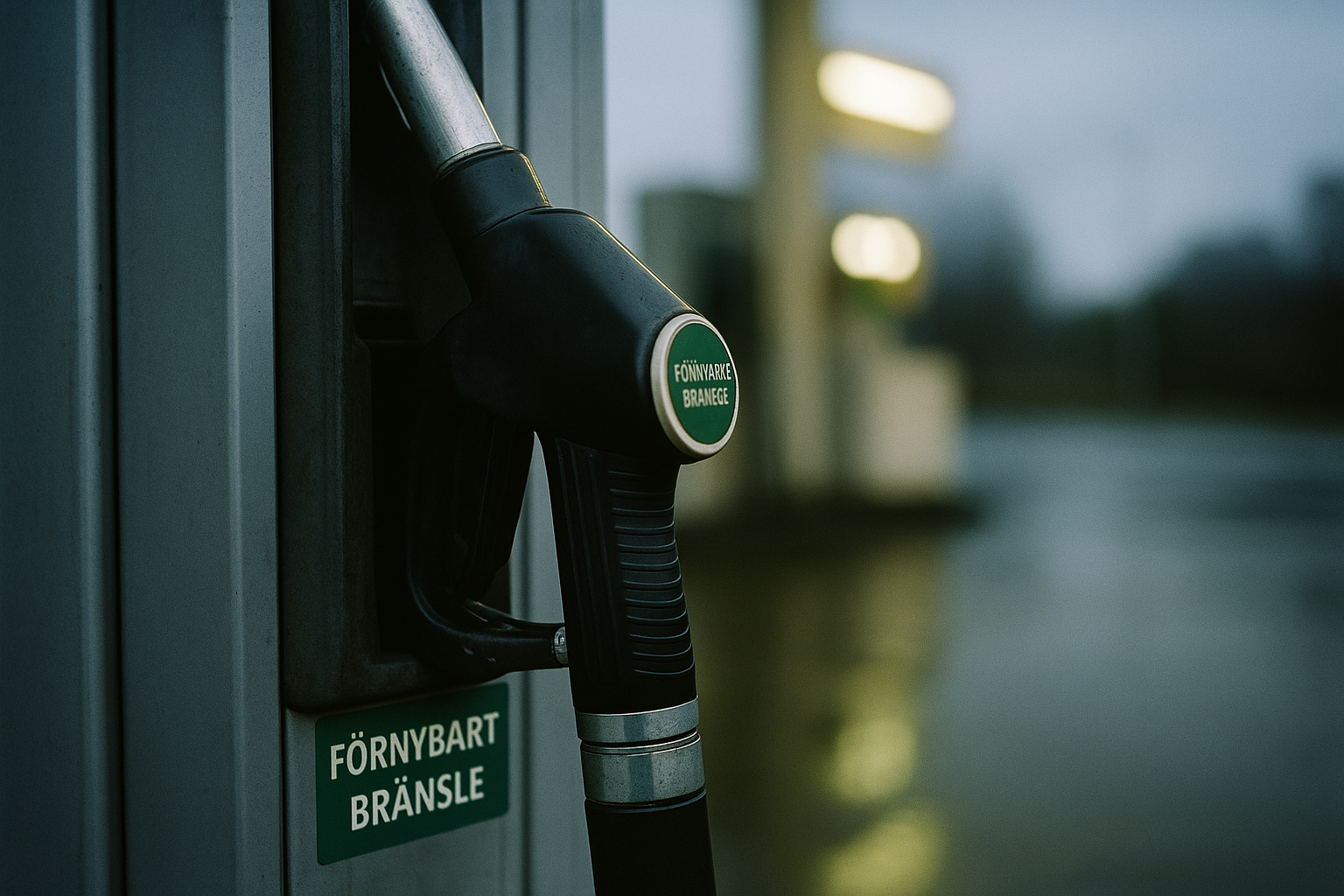
Svante Mandell, the Swedish government's own investigator on biofuel policy, has concluded that the reduktionsplikt — Sweden's mandatory biofuel blending requirement for petrol and diesel — may need to be raised to meet the country's binding 2030 climate commitments, Aftonbladet reports. The finding arrives less than a year after the Kristersson government cut the same mandate from over 30% to 6%, a move it sold to voters as relief from punishing fuel prices.
The reduktionsplikt (reduction obligation) requires fuel companies to blend biofuels into petrol and diesel to reduce carbon emissions from road transport. The previous Social Democrat-led government had set an aggressive trajectory, pushing the blending requirement above 30% — which added roughly 3–5 kronor per litre to fuel costs. When the right-wing coalition took power, slashing the mandate became a flagship promise. The cut to 6% delivered cheaper fuel at the pump. It also blew a hole in Sweden's climate accounting.
Sweden is bound by the EU's Effort Sharing Regulation, which sets legally binding national targets for emissions reductions in sectors not covered by the EU emissions trading system — primarily transport, buildings, and agriculture. Transport is the largest source of emissions in these sectors, and the reduktionsplikt was the primary tool for cutting them. Without it, Sweden has no plausible path to its 2030 obligations. Mandell's investigation now states what climate policy analysts said when the cut was announced: the numbers do not add up at 6%.
The political bind is straightforward. Raising the reduktionsplikt means raising fuel prices — the exact thing the government promised not to do. Keeping it low means Sweden misses binding EU targets, which could trigger infringement proceedings and financial penalties. There is no third option that delivers both cheap fuel and compliant emissions. The government commissioned this investigation presumably hoping for one.
The Kristersson coalition has not yet responded to the investigator's conclusions. The next election is in 2026. A litre of E10 petrol in Sweden currently costs around 17 kronor. Under the old reduktionsplikt trajectory, it would have been north of 20.
Sources: Aftonbladet