Swedish Military Chooses to Cap, Not Clean, PFAS-Contaminated Site Near Stockholm
- The Swedish Armed Forces plan to cap a PFAS-contaminated former training ground in Tullinge, southwest of Stockholm, rather than remove the polluted soil
- PFAS from military firefighting foam has contaminated groundwater at the site — part of a nationwide pattern across Swedish military bases from Malmslätt to Kallinge
- Containment shifts long-term monitoring costs and failure risks onto future taxpayers and local municipalities
- No public clarity on liability frameworks, drinking water testing near the site, or why excavation was ruled out
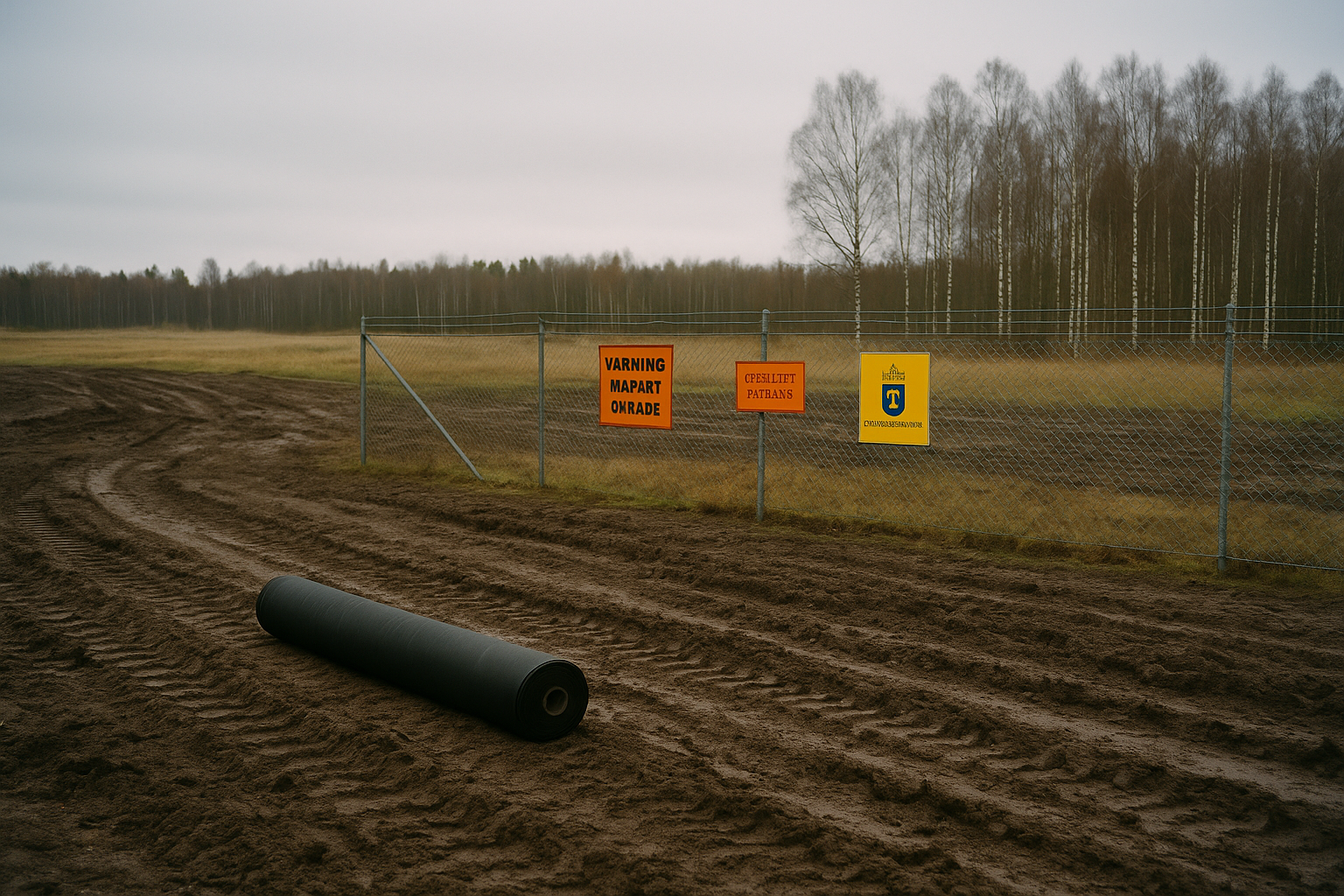
The Swedish Armed Forces (Försvarsmakten) want to cap a former military training ground in Tullinge, southwest of Stockholm, where firefighting foam containing PFAS has contaminated the groundwater, Aftonbladet reports. Rather than excavate and remove the polluted soil, the military's preferred approach is to seal the site with an impermeable cover — containing the contamination in place and relying on long-term monitoring to detect any future leakage.
The choice is not surprising given the scale of the problem. Aqueous film-forming foam, or AFFF, was standard equipment at military airfields and training facilities across Sweden for decades. PFAS — the family of synthetic chemicals that made the foam effective — do not break down in nature. They migrate through soil into groundwater, accumulate in drinking water supplies, and persist in human blood for years. Försvarsmakten has left contaminated sites across the country: Kallinge in Blekinge, where residents' blood PFAS levels rank among the highest measured in Europe; Malmslätt outside Linköping; Uppsala; and now Tullinge, close to residential areas in the southern Stockholm suburbs.
Capping is cheaper than excavation upfront. It avoids the cost of digging up thousands of cubic meters of contaminated soil, transporting it to specialized treatment facilities, and replacing it with clean fill. But the economics look different over a 50- or 100-year horizon. A cap requires perpetual monitoring — groundwater sampling, structural inspections, maintenance of drainage systems. If the cap degrades, cracks, or is disrupted by construction, the contamination re-enters the water cycle. At that point, the bill lands on whatever municipality or government agency holds responsibility, likely decades after the military has moved on.
The liability framework governing these sites remains opaque. Swedish environmental law places remediation responsibility on the polluter, but Försvarsmakten is a state agency funded by the same taxpayers who live near the contaminated ground. When the polluter and the payer are ultimately the same entity — the Swedish state — accountability dissolves into bureaucratic process. Botkyrka municipality, which administers Tullinge, has limited leverage over a national defence authority. Whether nearby drinking water wells have been tested for PFAS, and what concentrations have been found, has not been publicly clarified.
The pattern extends beyond Sweden. Military bases across the Nordic countries and the wider Western world face identical contamination from the same foam. The difference is in the response. Denmark has moved toward aggressive soil excavation at several military PFAS sites. Parts of the United States have mandated blood testing for residents near contaminated bases. Sweden's approach — cover and monitor — is the lowest-cost option in the current budget year and the highest-risk option in every year after that.
Försvarsmakten's Tullinge plan will require approval from the County Administrative Board (Länsstyrelsen). The residents of Tullinge will get to submit comments during the consultation process. The contamination, sealed under a layer of engineered fill, will remain in the ground indefinitely.
Sources: Aftonbladet