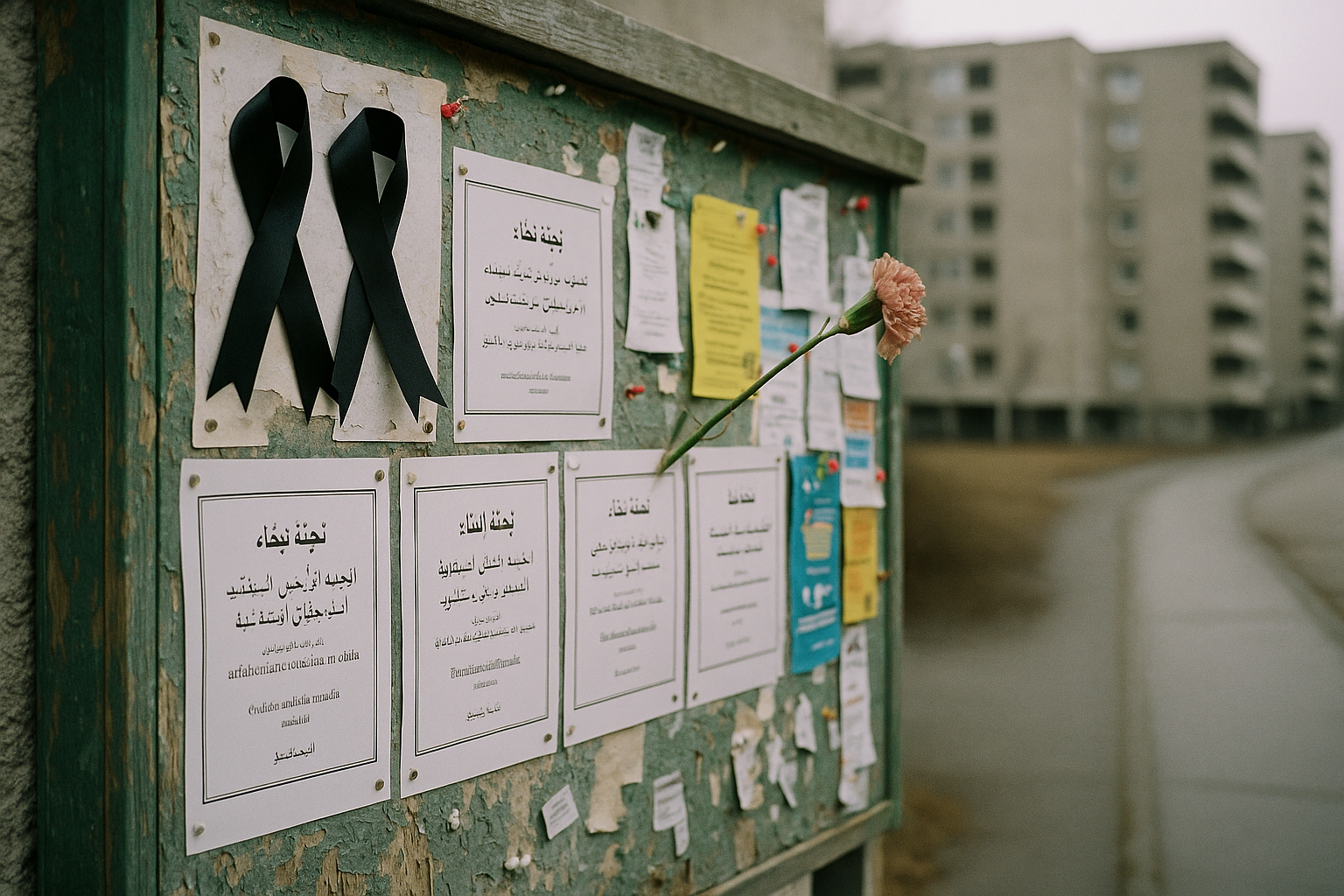
Swedish Shia leaders mourn Khamenei publicly, spokesman blames 'Israeli Epstein mafia' for backlash
- Multiple Shia Muslim representatives in Sweden publicly mourned Khamenei's death, prompting sharp political criticism
- Ahmed Abbas, spokesman for one of the imams, dismissed critics as ignorant before pivoting to blame an 'Israeli Epstein mafia'
- The episode exposes deep fractures within Sweden's Shia communities over loyalty to Tehran's theocratic leadership
- Senior politicians have engaged with the story, elevating it from tabloid reporting to a live policy question about foreign religious influence
When Iran's Supreme Leader Ali Khamenei died, several Shia Muslim representatives in Sweden took to public platforms to mourn him — not quietly, not privately, but as community leaders signalling allegiance. Expressen's investigation into these displays has drawn sharp criticism from senior Swedish politicians and exposed a fault line running through the country's Shia communities: between those who see Khamenei as a spiritual authority deserving of public grief and those who want nothing to do with Tehran's theocratic apparatus.
Ahmed Abbas, described as a political analyst and spokesman for one of the imams in question, initially dismissed the political backlash as ignorant. Then he shifted register entirely. "The Israeli Epstein mafia has even made it a crime in the West to mourn this tragedy," Abbas told Expressen. The pivot — from defending religious mourning to invoking a shadowy Jewish-coded conspiracy controlling Western legal systems — happened in a single breath. Abbas offered no evidence for the claim, because none exists. No Western country has criminalised mourning Khamenei. What several Swedish politicians have done is ask why publicly funded religious communities in Sweden maintain open loyalty to a foreign theocratic dictator whose regime executes dissidents, funds proxy militaries across the Middle East, and has spent decades calling for the destruction of Israel.
That question is not new, but the Khamenei mourning episode gives it fresh specificity. Sweden hosts a substantial Shia Muslim population, much of it Iraqi in origin, with community structures that range from fully integrated civic organisations to insular networks where imams wield significant social authority. The split Expressen documents is real: some Shia leaders in Sweden explicitly distanced themselves from Khamenei, viewing Iran's wilayat al-faqih (guardianship of the jurist) system as a political project, not a religious obligation. Others treated his death as the loss of a supreme spiritual guide. The divide mirrors fractures within global Shia Islam, but in Sweden it plays out in a specific context — segregated suburbs where religious leaders serve as de facto community gatekeepers, often with access to public funding for cultural and educational activities.
Abbas himself warrants attention. His role as "spokesman" for an imam suggests an organised media strategy, not a spontaneous expression of grief. The conspiracy language he deployed — blending antisemitic tropes about hidden Jewish power with the Epstein name for added tabloid resonance — follows a pattern familiar from Iranian state media and Hezbollah-aligned outlets. Whether Abbas consumed this rhetoric directly from Tehran-linked sources or absorbed it through the broader ecosystem of Shia Islamist discourse online is an open question, but the output is identical.
Swedish politicians at senior levels have now engaged with the story, which moves it beyond Expressen's news pages into policy territory. The question is whether engagement leads anywhere. Sweden has spent years debating imam certification, foreign funding of mosques, and the influence of authoritarian regimes inside diaspora communities. The debates produce reports. The reports produce more debates.
Abbas, meanwhile, has provided a useful data point of his own: when pressed on loyalty to a foreign theocrat, he did not deny it — he blamed the Jews.
Källor: Expressen