Taipalsaari weighs resort pre-emption, eastern Finland tourism bust, €6,900 sale turns into land-use test
- The former resort was sold to a new owner for €6,900, and the municipality has three months to decide whether to step in.
- The site was once popular with Russian visitors, a customer base that largely vanished after Russia’s full-scale invasion of Ukraine.
- The issue is less the resort business itself than what a municipality wants done with low-priced tourism property in a weakened border-region market.
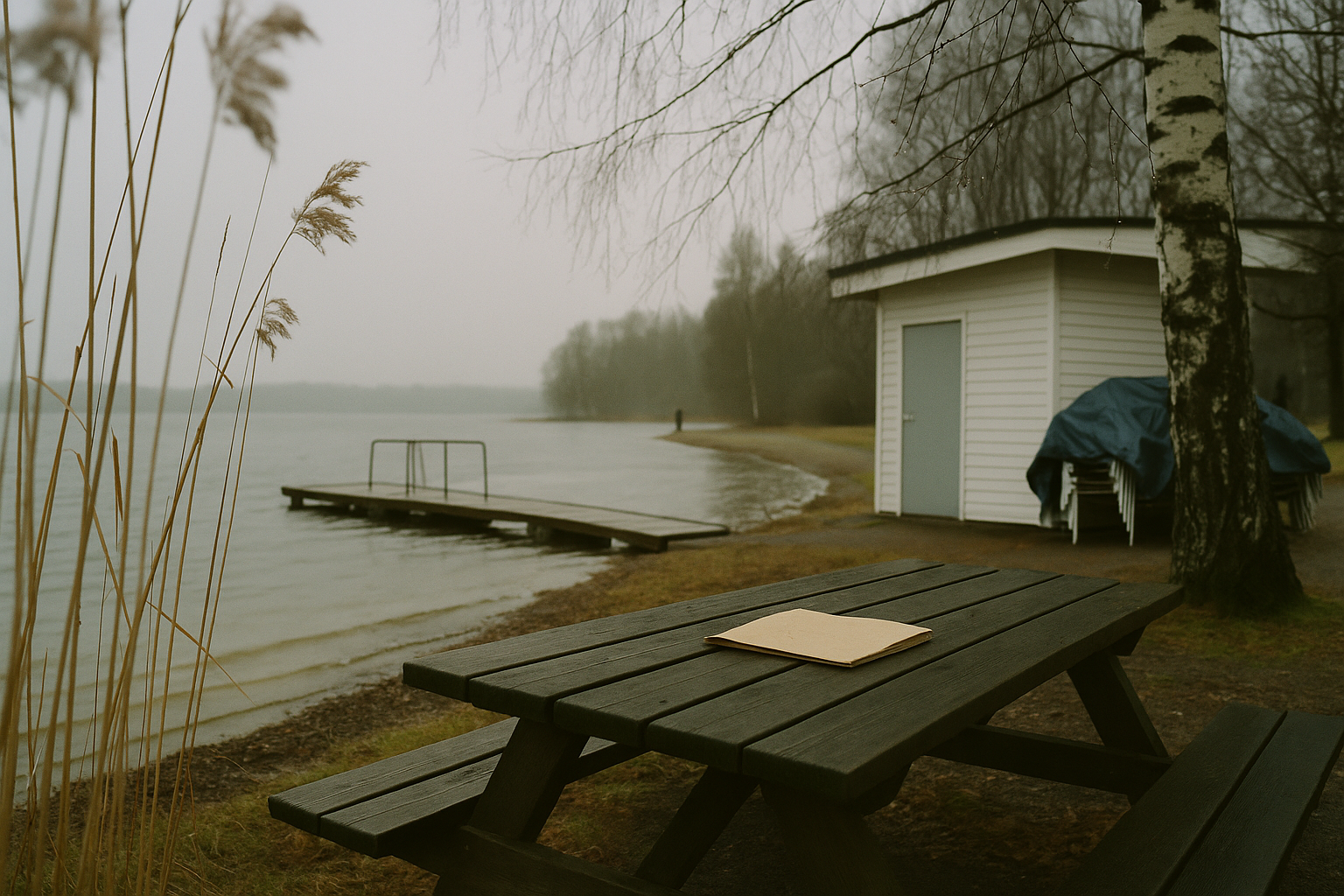
A lakeside resort in Taipalsaari, in South Karelia near Finland’s eastern border, has been sold for €6,900. Now the municipality is considering whether to replace the buyer by using its statutory pre-emption right, as YLE reports, turning a cheap property deal into a public decision on land use and local development.
The resort was once a destination for Russian visitors, the customer group that sustained much of the border region’s tourism trade before the traffic collapsed after Russia’s full-scale invasion of Ukraine. That collapse did not only empty hotel rooms and holiday cottages; it also stripped value from the properties built around that demand. A sale price of €6,900 for a former resort captures the adjustment more clearly than any municipal strategy paper. The municipality now has three months from the transaction to decide whether to exercise its right, a tool that allows it to step into the deal on the same terms as the buyer.
The immediate question is what Taipalsaari would do with the site if it takes control. A municipality using pre-emption is making a choice about who should own a strategic parcel and what uses are acceptable when private demand has thinned out. In eastern Finland, where Russian customers once filled marinas, rental cabins and spa hotels, distressed tourism assets leave local authorities with awkward alternatives: let properties drift into low-value private hands, or buy them and carry the cost of planning, maintenance and eventual redevelopment. Either way, the bill from the vanished cross-border trade does not disappear. It moves from visitor revenues to balance sheets, tax bases and zoning disputes.
The Taipalsaari case also sits inside a longer unwinding of Russian-linked ownership and business models in the east. Resorts, villas and hospitality sites that made sense when the border was busy have become harder to operate, harder to finance and, in some cases, hard to sell at anything above scrap-value prices. Municipal intervention does not reverse that market. It does, however, show that local government is increasingly being pulled into decisions that the market no longer resolves cleanly on its own.
For now, the concrete numbers are plain: a former Russian-favourite resort sold for less than many Finns pay for a used car, and the municipality has 90 days to decide whether it wants the keys.
Källor: YLE Uutiset