Thy energy project passes, municipal votes drive Denmark’s transition, rural parties absorb local cost
- A Danmarksdemokraterne councillor in Thisted voted for a major local renewable energy project despite his party’s rural protest profile.
- The decision shows how Denmark’s energy build-out is often settled in municipal councils that control land use and local planning.
- For local politicians, projects are accepted through concrete trade-offs: compensation, planning conditions, and pressure to deliver national energy targets on local land.
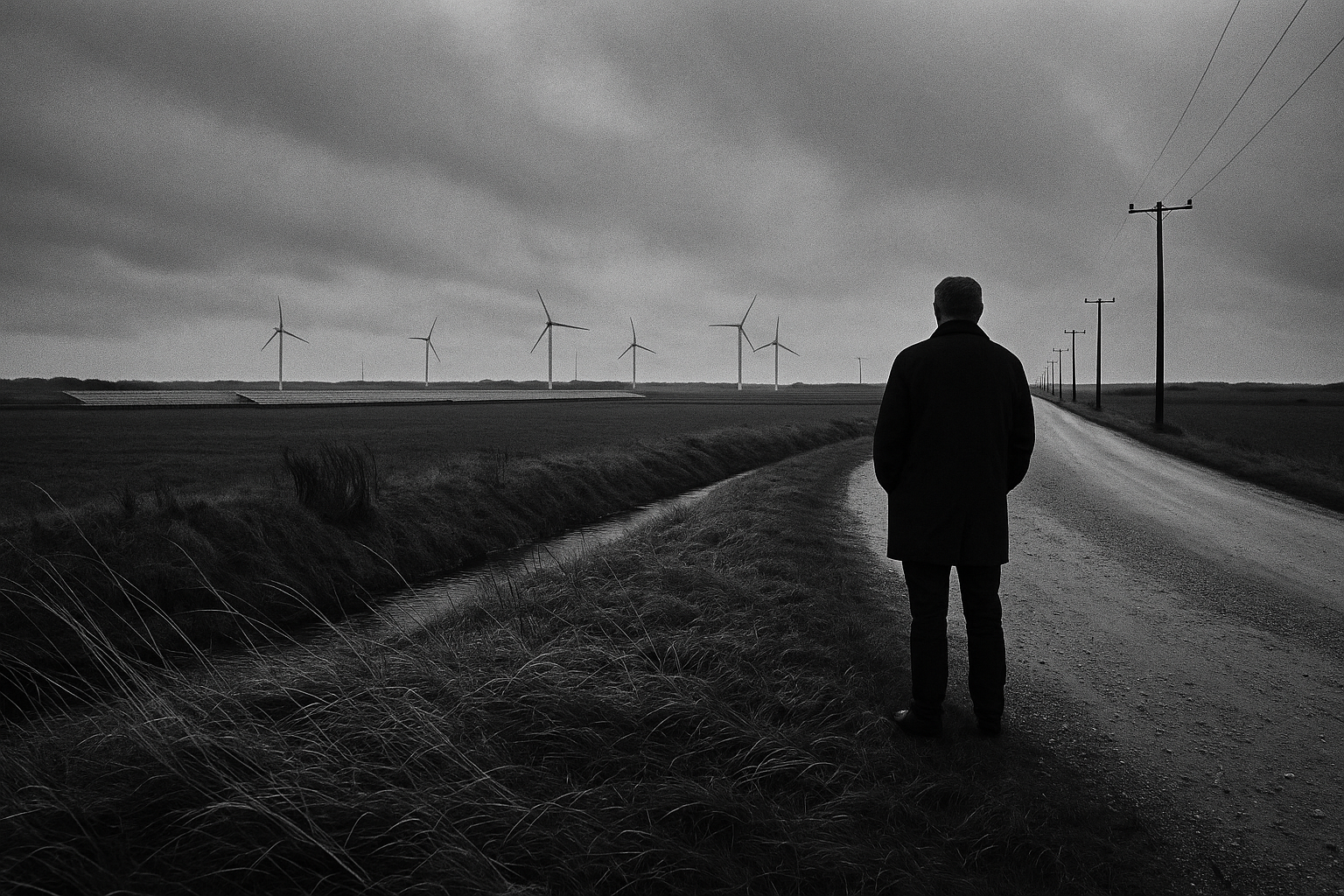
A large new wind and solar project is moving ahead in Thy after Thisted Municipality approved it on Wednesday, with Danmarksdemokraterne councillor Lars Westergaard casting the vote he described as the hardest decision of his life. DR reports that the decision opens more of the northwestern Jutland landscape to turbines and solar panels, and that a politician from a party built on rural discontent chose to carry the project through.
That is where much of Denmark’s energy transition is actually decided. National politicians set targets, auction frameworks and climate plans, but the physical build-out runs through municipal zoning, local development plans and council majorities willing to absorb the backlash. A vote in Thisted matters because it shows what the transition looks like once it reaches the people who live beside the installations. Copenhagen can count megawatts; municipalities decide which fields, which horizons and which roads take the traffic.
Westergaard’s role also puts a price tag on political identity. Danmarksdemokraterne has drawn support from voters outside the big cities who are used to seeing national priorities imposed from above, often with the countryside supplying the land. When one of the party’s own local representatives votes yes to more industrial energy infrastructure, the question is not whether the project is controversial but what made it pass anyway. These projects usually turn on a narrow set of inducements: compensation to neighbours, promises of local jobs during construction, municipal revenue, road upgrades, or the argument that refusal simply sends the project to another parish while the national targets remain.
DR’s report points to the personal strain around the vote, which suggests the decision was not treated as routine green planning. That matters in Thy, where wind power is hardly new and where residents know the difference between abstract support for renewable energy and another round of visible expansion in a working landscape. The municipal level strips away much of the rhetoric. What remains is acreage, setback distances, property values, noise calculations and the question of who collects the income once the panels and turbines are in place.
The coming fight is likely to be less about whether Denmark wants more renewable power than about who is expected to host it. Thy now has one more answer. A councillor from a party that trades on resistance to metropolitan decision-making voted for more turbines and panels in one of Denmark’s most exposed rural areas.
Källor: DR Nyheder