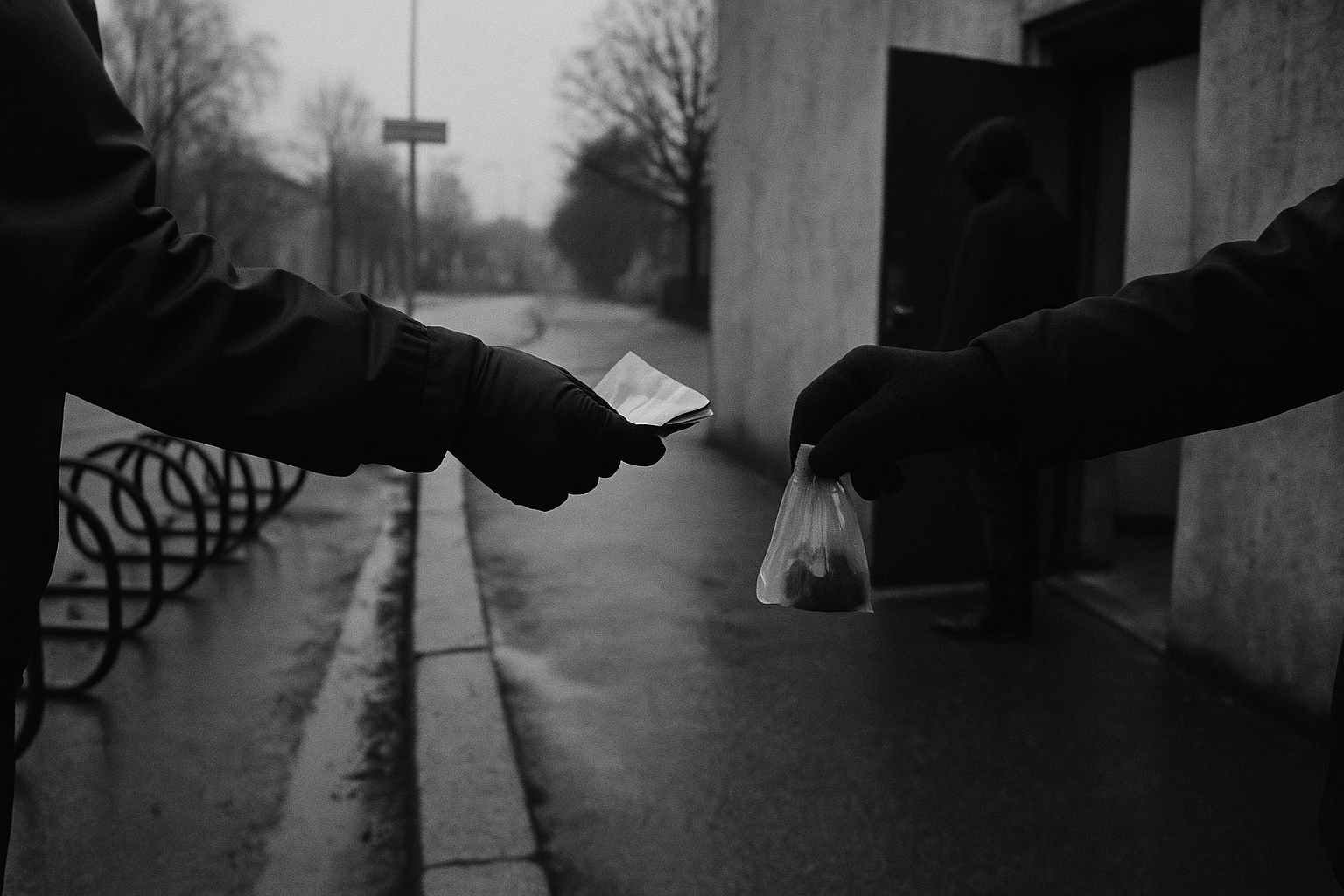
Trøndelag police probe trafficking, Swedish gang suspects enter local drug scene, addicts become easiest targets
- Dagbladet reports that police believe several people in Trøndelag's drug scene may be victims of human trafficking.
- Swedish gang criminals are now part of the investigation, linking a local narcotics environment to cross-border organized crime.
- The case raises the question of whether police and welfare services can distinguish exploited victims from low-level offenders.
- People with severe addiction and unstable housing can be used for drug sales, transport and debt collection at low cost and high replaceability.
Police in Trøndelag are investigating whether several people in the region's drug scene have been subjected to human trafficking, and Swedish gang criminals are now among those being examined in the case. Dagbladet reports that the inquiry centres on vulnerable people in an already exposed local environment, where addiction and instability make coercion easier to hide behind ordinary street crime.
The immediate facts are local, but the structure is not. Swedish criminal networks have spent years extending recruitment, logistics and violence across the border, first through narcotics distribution and contract attacks, then through looser arrangements with local actors who know the streets and the customers. In a place like Trøndelag, that does not require a large imported organization. A handful of disciplined operators can use indebted addicts, homeless users or people trading shelter for drugs to store narcotics, carry phones, collect money or take the risk of open-air dealing while the people above them stay out of sight.
That leaves police with two jobs at once: proving organized criminal control and separating victims from perpetrators inside the same street economy. A person stopped with drugs, cash and instructions on a phone may look like a routine offender. The same person may also be sleeping on a sofa, owing money, being threatened, or working off a debt that never shrinks. Human trafficking cases are harder to build than ordinary drug cases because they require investigators to map dependency, coercion and profit flows, not just seizures and possession.
The case also tests whether the state sees the most exposed residents early enough to protect them before they are absorbed into criminal supply chains. People with severe addiction often cycle between emergency housing, detox, short prison terms and the street. Each handoff produces paperwork; none of it necessarily produces control. For criminal groups, that offers a labour pool with low cost, weak bargaining power and little credibility when they speak to authorities.
Norwegian police have more experience than before with cross-border gang work, encrypted communications and joint investigations, but trafficking inside drug milieus remains difficult to expose because exploitation can resemble consent from the outside. The person carrying the package may also be the person being used. The person collecting the debt may be paying one. By the time a trafficking label is attached, the same individual may already have been registered several times as a suspect.
In Trøndelag, the investigation starts with people already known on the street. The names higher up the chain appear later, if at all.
Källor: Dagbladet