Trondheim police let russefest continue, complaint-driven policing shapes russetid
- Around 100 future russ were allowed to continue a party in a forest area after police assessed the situation on site.
- Police made continued enforcement conditional on whether more residents complained.
- The episode shows how russetid is often managed through reactive noise policing rather than blanket bans.
- The annual russe season forces police to weigh youth celebrations against sleep, order and neighbourhood tolerance.
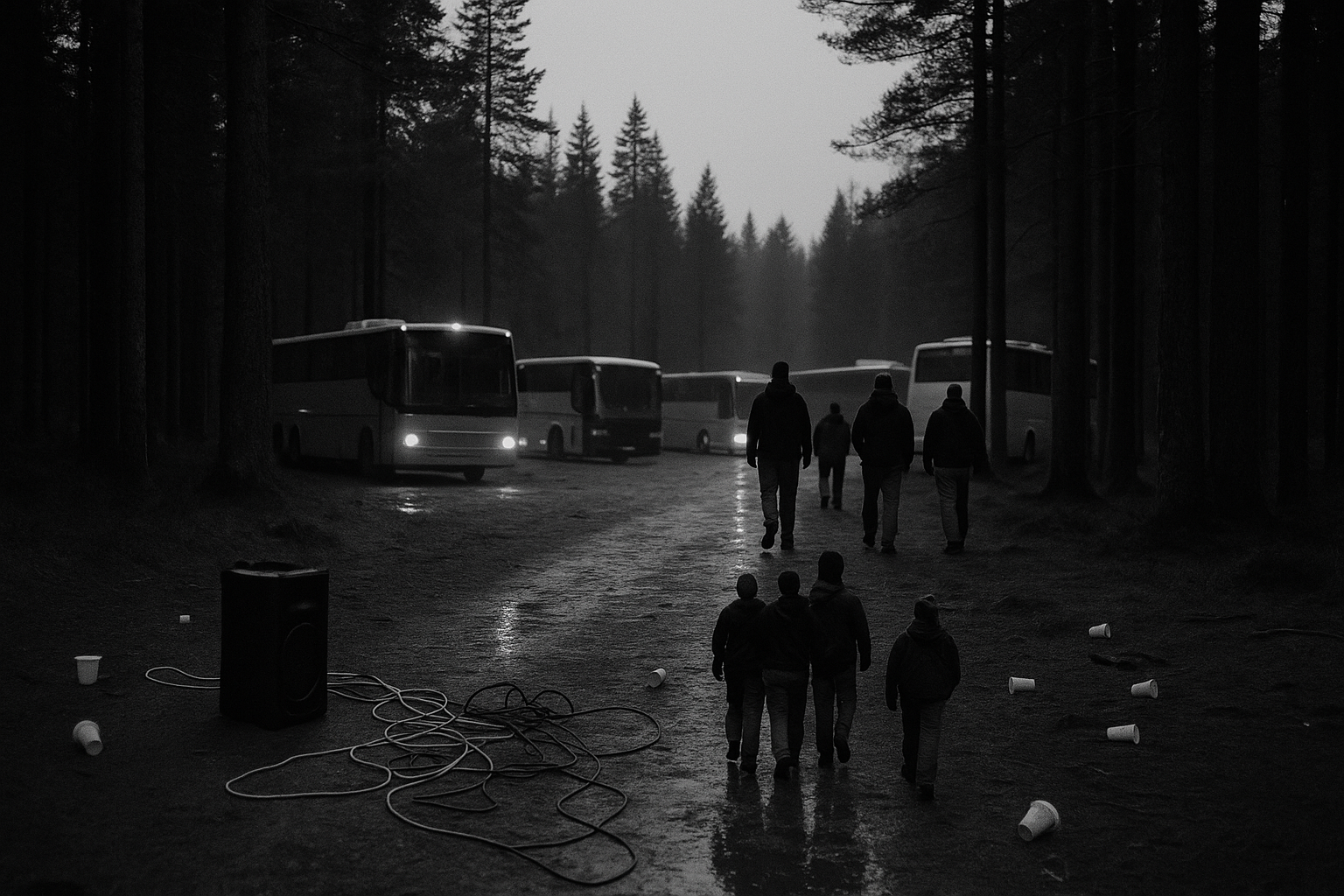
A group of around 100 future russ in Trondheim was allowed to keep partying in a forest area after police received complaints from residents nearby. Nettavisen reports that officers who went to the scene judged the gathering to be acceptable, provided no new complaints came in.
The decision captures the annual bargain around russetid, the Norwegian graduation season marked by weeks of parties, drinking and late-night gatherings. Police are rarely in a position to shut down every noisy event, and the threshold for intervention often appears to depend less on the party itself than on whether enough people nearby decide they have had enough. In Trondheim, that left enforcement tied to the next phone call.
That approach shifts much of the practical power to residents. A party in a forest can continue if the surrounding area stays quiet, but the same gathering can quickly become a police matter once neighbours start calling. For the russ, the signal is also clear: celebration is tolerated up to the point where it spills over into someone else's night. For police, it is a cheaper model than pre-emptive crackdowns during a season when similar gatherings appear across Norwegian towns and cities.
The arrangement is also familiar. Russetid is a deeply rooted youth ritual, politically awkward to police too hard and difficult to contain with formal rules alone. Authorities end up managing effects rather than causes: noise, litter, public drinking and transport disruptions, one complaint at a time. That leaves a patchwork standard in which the same behaviour is acceptable in one place and shut down in another, depending on distance, timing and how quickly nearby residents lose patience.
In Trondheim, the line that night was not the size of the party but whether the phone rang again. About 100 teenagers in a forest were, for the moment, within the limit.
Källor: Nettavisen