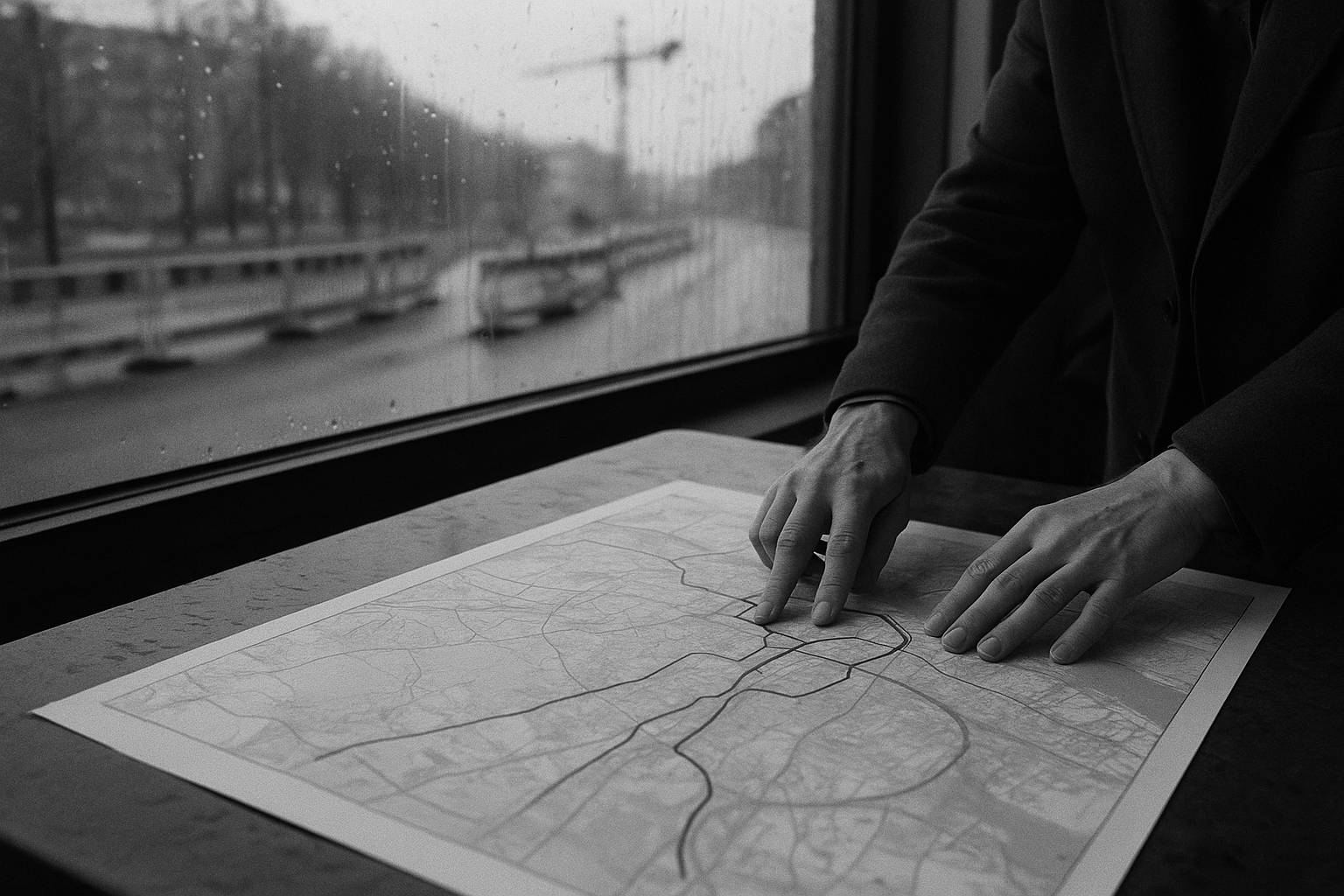
Turku approves tram return, city ties growth strategy to multibillion-euro corridor bet
- Turku city council approved the tram project after a meeting marked by several unexpected turns, according to YLE Uutiset.
- The decision links transport planning to housing and land-use policy, with the city betting that fixed rail will steer development along selected corridors.
- Large municipal rail projects shift costs over decades through debt, construction risk and operating commitments, even when promoters sell them as growth engines.
- Other Nordic cities have used trams to reshape districts, but the record on cost control and promised urban-development gains is mixed.
Turku will get trams again for the first time in more than 60 years after the city council approved the plan in a meeting that, as YLE Uutiset reports, produced at least five surprises. The vote was more than a transport decision. It commits one of Finland’s largest cities to a fixed-rail investment that will steer where homes, offices and public money go for decades.
The attraction of tram projects is easy to understand. Rails on the ground signal permanence in a way bus routes do not, and city planners use that permanence to concentrate construction along chosen streets and nodes. That can raise land values, increase building intensity and make it easier for the city to defend denser zoning. It also narrows future choices. Once tracks, depots, street redesign and utility works are in place, the city has tied a large share of its transport budget to one corridor and one model of growth.
That is where the real argument sits. A tram is sold to voters as mobility, but the bill reaches far beyond vehicles and stops: street reconstruction, procurement, financing costs, maintenance, traffic rearrangements and the operating subsidy required if fare revenue falls short. In tighter municipal finances, every large capital project competes with schools, water systems, road maintenance and ordinary bus service. The winners are the districts placed on the line, landowners whose plots become more attractive to develop, and construction firms with years of work ahead of them. The payer is the city balance sheet, backed by local taxpayers and users of other services.
Turku is not the first Nordic city to make that wager. Helsinki’s Jokeri light rail opened after cost increases and years of construction disruption, though it has also delivered a high-capacity link across the metropolitan area. Tampere’s tram has become the standard Finnish reference point for advocates, combining strong ridership with visible redevelopment along the route. Elsewhere in the Nordics, tram and light-rail projects have often been used as urban-development tools first and transport systems second: a way to lock in density, justify rezoning and reorder street space. The record is not uniform. Some corridors fill quickly; others wait years for the promised private building to arrive while debt service starts immediately.
That leaves the rejected alternatives. Better buses, bus rapid transit, phased street upgrades or smaller investments spread across more neighborhoods usually offer lower upfront costs and more flexibility. They also lack the political theatre of rails returning to city streets. A bus line can be moved when demand shifts; a tram line becomes an argument that demand will shift because the line is there.
For Turku, the next test is less romantic than the vote itself: procurement, financing and whether the city can convert track into taxable development fast enough to justify the cost. The trams last ran in Turku in 1972; this time the rails return attached to a much larger invoice.
Källor: YLE Uutiset