Two Bystanders Shot Dead by Mistake in Biskopsgården, Sweden's Deadliest Gang Conflict Claims 28 Lives
- A 19-year-old and a 21-year-old, both without criminal records, were shot dead in Biskopsgården and now lie buried near each other in a Gothenburg cemetery
- Prosecutors believe both were killed by mistake — bystanders caught in a territorial gang war they had no part in
- Two men have been charged in connection with the killings; both deny any involvement
- The Biskopsgården conflict is Sweden's deadliest neighbourhood-level gang war, with a total death toll of 28
A 19-year-old and a 21-year-old, neither with any criminal record, have been buried side by side in a Gothenburg cemetery for nearly a year. Both were shot dead in Biskopsgården, and both, according to prosecutors and police, were killed by mistake — collateral damage in a territorial gang conflict they had nothing to do with. Two men have now been charged in connection with the killings, Dagens Nyheter reports. Both defendants deny any involvement.
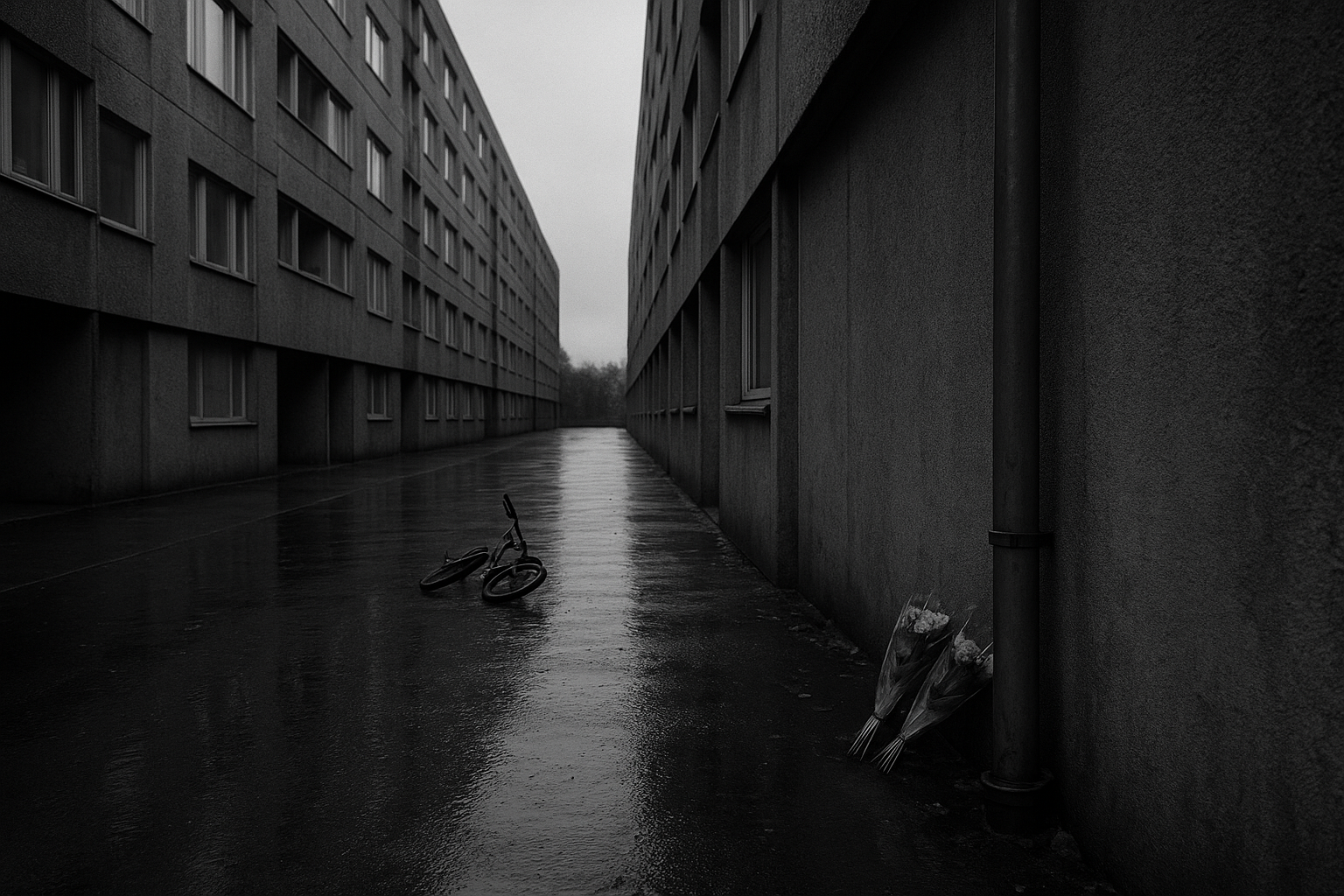
The Biskopsgården conflict holds a grim distinction as Sweden's deadliest neighbourhood-level gang war, with 28 lives claimed to date. The district, a cluster of concrete apartment blocks in northwestern Gothenburg built during the Million Programme era of the 1960s and 70s, has been a flashpoint for organised criminal violence for over a decade. The dispute is territorial — rival networks fighting over drug markets and local dominance — but its victims increasingly are not. The two young men now at the centre of the prosecution had no ties to any criminal network. They were simply present in the wrong place at the wrong time, in a neighbourhood where gunfire has become a recurring feature of daily life.
The charge sheet against the two defendants has not been made public in full, but the prosecution's assessment that the killings were cases of mistaken identity underscores a pattern visible across Sweden's gang violence epidemic: as conflicts escalate and shooters grow younger and less experienced, the margin between intended target and random bystander shrinks to nothing. Swedish police have repeatedly acknowledged that Biskopsgården presents one of the country's most difficult operational environments, with witness intimidation, community distrust, and a revolving door of young recruits making sustained intervention nearly impossible.
Sweden's national strategy for combating gang violence has leaned heavily on harsher sentencing, expanded surveillance powers, and so-called "leaving the gang" programmes. In Biskopsgården, the results speak for themselves: 28 dead over the course of a single protracted conflict. The Swedish government has spent the better part of a decade announcing new measures, appointing coordinators, and commissioning reports. The two young men buried next to each other in a Gothenburg cemetery were not gang members, not criminals, not targets. They were residents of a neighbourhood where the state's writ does not reliably extend to keeping unarmed civilians alive.
The trial will determine whether the two defendants are convicted. It will not answer the more uncomfortable question: how a single district in Sweden's second-largest city has been permitted to accumulate a body count that would qualify as a low-intensity armed conflict in most international classifications. Twenty-eight dead, two of them with clean records and no known enemies — killed, prosecutors believe, because someone couldn't tell them apart from someone else.
Sources: Dagens Nyheter