UPM weighs Kaukas data center conversion, paper hall finds new tenant as Finland trades mill space for server load
- UPM says negotiations are under way over converting vacant space at Kaukas into a data center.
- The site sits inside one of Lappeenranta’s main industrial areas, tying the project to local jobs, land use and grid capacity.
- The case reflects a broader Nordic trend as paper demand falls and data center operators hunt for large powered sites.
- The central question is whether such projects create durable regional value or mainly turn idle industrial property into power-hungry rent streams.
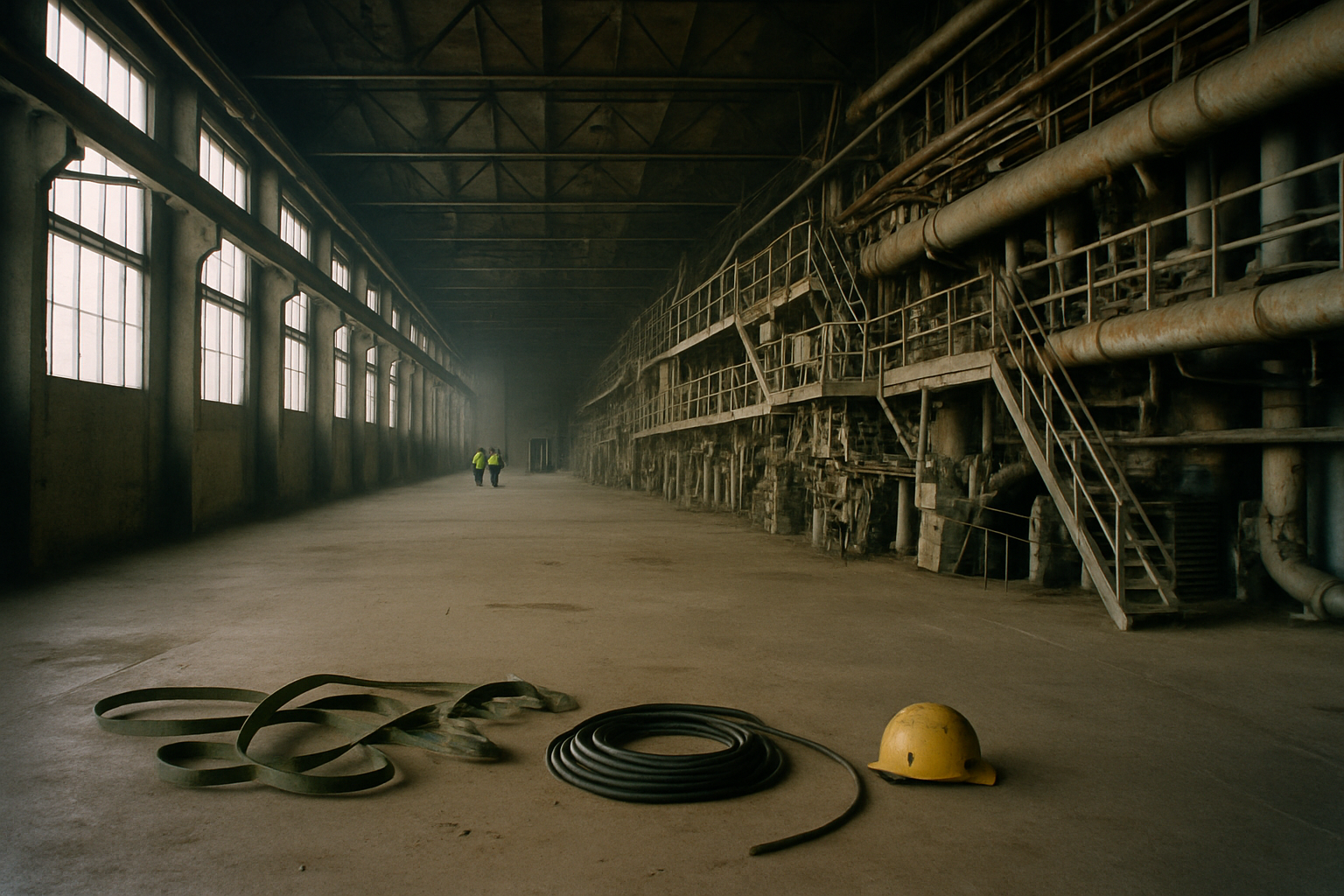
An empty paper machine hall at UPM’s Kaukas mill area in Lappeenranta may get a new use: rows of servers instead of paper production. Yle reports that UPM is negotiating over a possible data center conversion, after vacant facilities at the site drew interest from operators.
The immediate appeal is easy to see. A former paper mill already has industrial zoning, transport links and heavy power connections, assets that are expensive and slow to assemble from scratch. For UPM, a hall no longer needed for paper can be turned from a cost into an income stream. For a data center operator, the building offers speed: concrete, floor space and grid access are already there, and Finland’s cool climate helps with cooling costs.
What the region gets is less obvious. A paper machine hall was built for an industry with large workforces, logistics chains and continuous flows of raw material. Data centers are different businesses. They demand large volumes of electricity and capital up front, but once built they usually run with limited permanent staff compared with the industrial operations they replace. The trade can still suit a property owner and a power-hungry tenant even if the local employment effect is modest.
The Kaukas site matters because it is one of Lappeenranta’s major industrial locations, and because eastern Finland already sits at the intersection of industry, energy and cross-border infrastructure. A new data center would raise questions for the local grid, for municipal planning and for what kind of industry Finland wants to attract to former mill towns. If the sales pitch rests on cheap, reliable electricity and ready-made industrial land, then the public side of the ledger is power allocation, possible tax treatment and what alternative uses are ruled out once the hall is committed.
That broader pattern is visible across the Nordics. As demand for printing and graphic paper has weakened, old forest-industry assets have become candidates for warehouses, battery plants, hydrogen schemes and data centers. The common denominator is not nostalgia for manufacturing but the value of sunk infrastructure: substations, roads, water access and permits. The new tenants often need megawatts more than manpower.
UPM has not, in the information reported so far, named an operator or disclosed the terms under discussion. That leaves the key details still offstage: who would run the facility, how much electricity it would reserve, what tax or energy arrangements might be offered, and how many long-term jobs would remain after construction crews leave. The hall once housed paper machinery; the next occupant may be measured less by output than by power draw.
Källor: Yle