Vantaa waste plant scales up, Finland’s recycling gap costs taxpayers €100m a year, mixed bins become national feedstock
- The planned Vantaa facility could sort roughly one-third of Finland’s mixed household waste.
- Finland is paying nearly €100 million a year in EU charges because plastic recycling is falling short.
- The plant would recover marketable fractions from rubbish bags that households did not sort correctly.
- The financing and operating model will decide whether municipalities cut losses or lock in another expensive layer of waste handling.
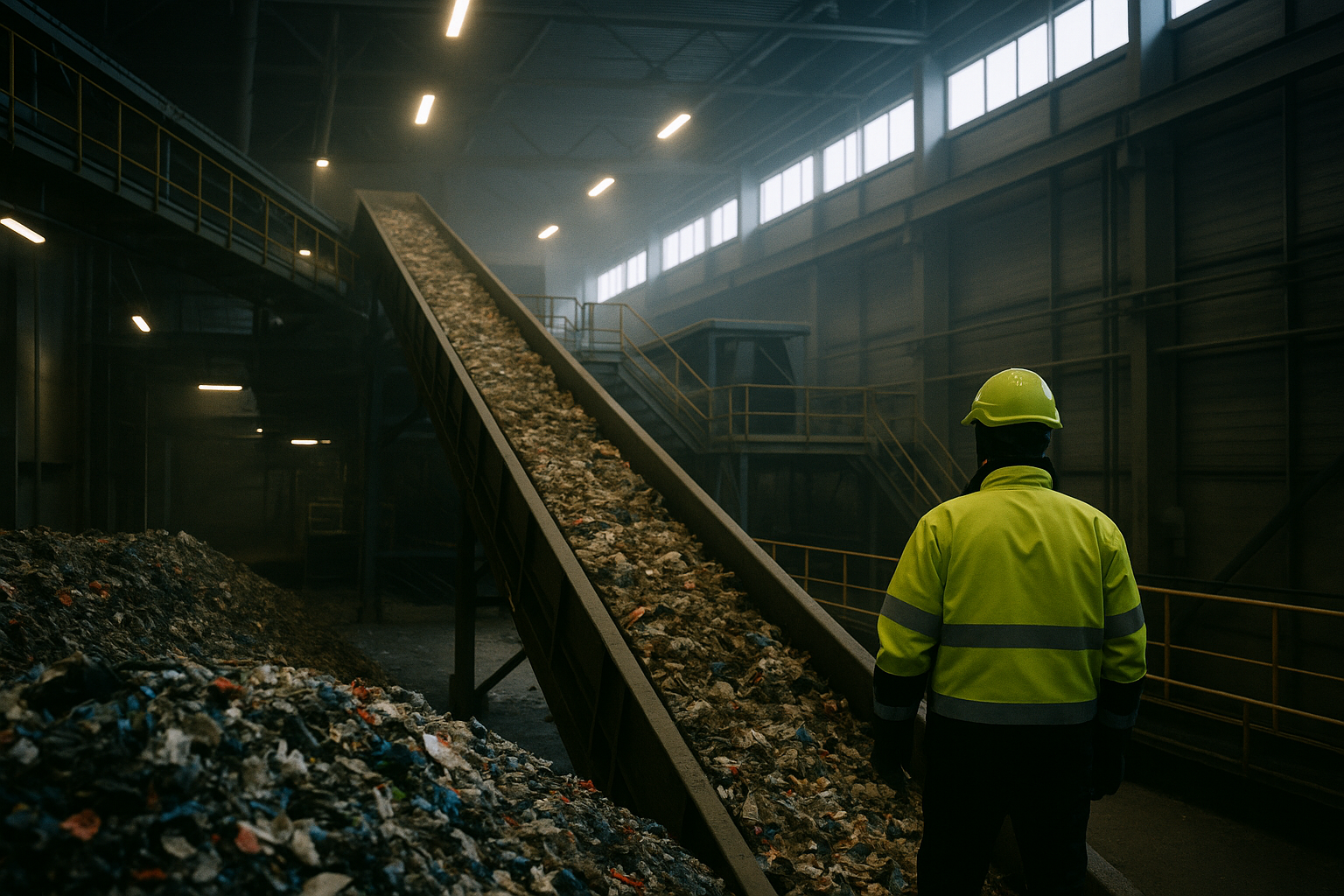
A planned waste-sorting plant in Vantaa would handle up to a third of Finland’s mixed household waste, turning one city’s infrastructure decision into a national test of the country’s recycling system. According to YLE reports, the facility would open household rubbish bags, separate out valuable materials and try to recover what residents and existing collection systems left in the mixed bin.
The scale matters because the failure is already being priced. Finland is paying close to €100 million a year in EU plastic-related charges as plastic recycling falls short, a cost that does not disappear when packaging is dropped into the wrong container or not sorted at all. The proposed plant would try to claw back part of that loss by extracting plastics, metals and other usable fractions from waste that has already entered the most expensive stream: mixed residual waste. That makes the project less a technological breakthrough than a second pass through a system that has not delivered at the household level.
YLE describes the Vantaa plant as a facility designed to sift through mixed waste and capture pieces with resale value. That financing logic is plain enough: if municipalities and waste companies are already paying to collect, transport and process badly sorted waste, any material recovered later has a cash value that would otherwise be burned or buried in lower-value treatment. The harder question is who carries the capital risk. If the plant is financed by municipal waste operators or publicly backed companies, taxpayers and local ratepayers fund the bet upfront and then hope that recovered materials, lower disposal costs and lower penalty exposure justify it.
The materials the plant can recover also set the limits of the idea. Metals are relatively forgiving; sorting technology can find them even after they have been mixed into household waste. Plastics are harder. Once packaging has been contaminated by food waste, moisture and general rubbish, the quality falls and the number of realistic end uses narrows. A large sorting plant can still pull out saleable fractions, but it does not turn mixed-bin plastic into a perfect substitute for clean, separately collected material. It is a salvage operation, not a reset.
That leaves the broader Nordic question hanging over the Vantaa project. If one plant can profitably mine mixed waste at this scale, then a large share of recyclable material is still being thrown away despite years of public campaigns, color-coded bins and municipal collection rules. The bill then moves through the system in a familiar order: households sort imperfectly, municipalities add another processing layer, and national taxpayers cover EU charges when targets are missed. Vantaa’s proposed plant would process the contents of ordinary rubbish bags. Finland’s annual penalty is already close to the cost of building major infrastructure.
Källor: YLE Uutiset