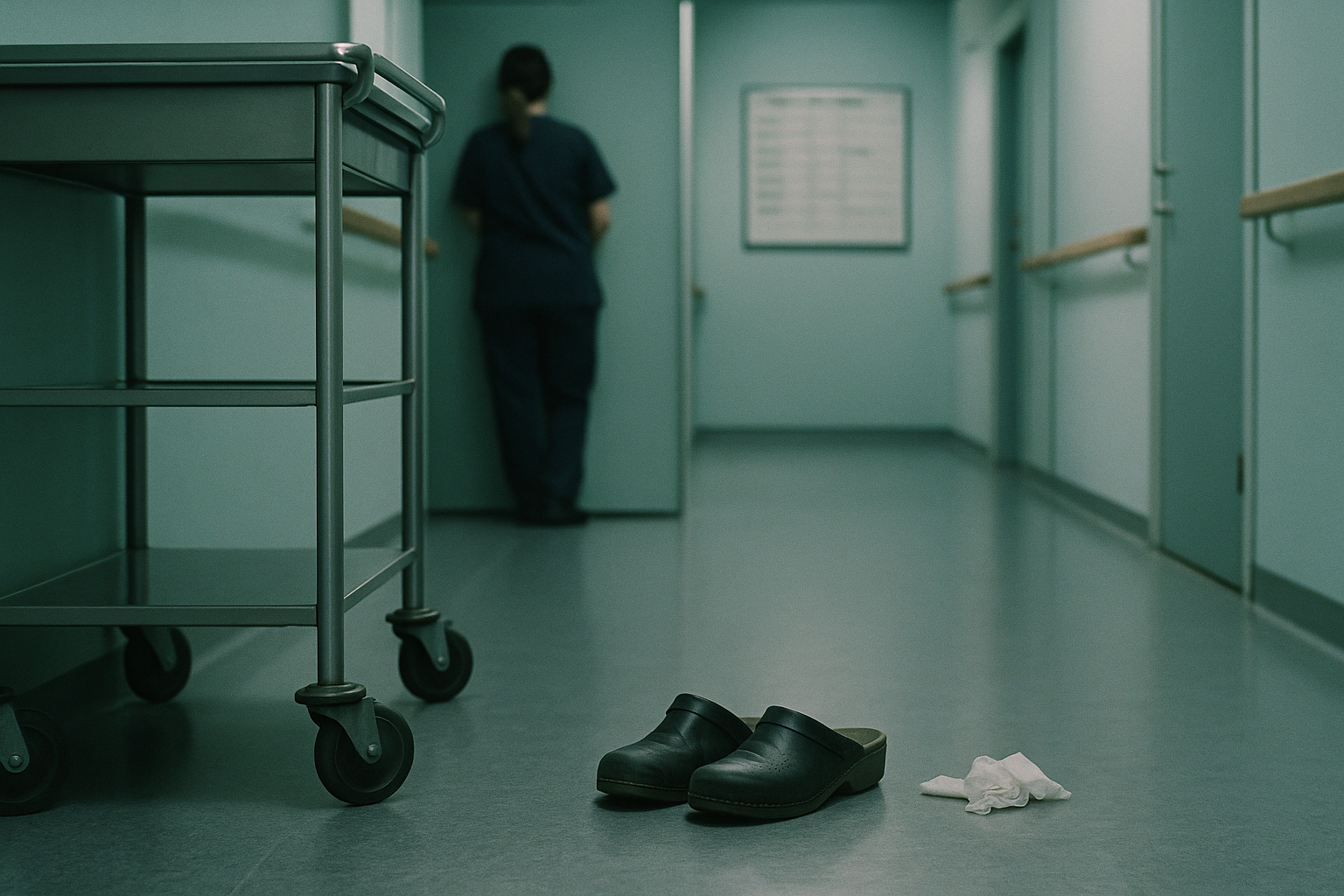
Work illness claims jump in Sweden, publicly funded care sector leads rise, strain replaces accidents
- Work-related illness claims are expected to reach nearly 17,400 in 2025, up almost 30 percent from 2024.
- The Work Environment Authority links many cases to high workload and low control at work, leading to mental ill-health.
- Health care and social care are identified as the worst-affected sectors.
- Work accidents causing sick leave have fallen slightly, even as illness claims rise.
Sweden is heading for nearly 17,400 reported work-related illnesses in 2025, an increase of almost 30 percent from 2024. Sveriges Radio Ekot reports that the Swedish Work Environment Authority, Arbetsmiljöverket, sees the rise above all in cases tied to high workload and low influence over the job, with health care and social care identified as the hardest-hit parts of the labour market.
The split in the figures matters. Work accidents that lead to sick leave have fallen slightly, according to the authority. The growth is instead concentrated in slower forms of damage: stress, exhaustion and other forms of mental ill-health that build over time. In a tax-funded care system already short of staff, that means the problem is not a single failed machine or one bad shift but ordinary operations. The work gets done by pushing harder on the people still on the rota.
Health care and social care sit at the centre of that pressure because they combine round-the-clock staffing needs with tight budgets, rising demand and layers of reporting requirements. When workers have less control over schedules, caseloads and how tasks are carried out, the cost does not disappear; it reappears as sickness claims, absence and recruitment strain. Regions and municipalities, which run most of Sweden's care and eldercare services, then face the bill twice: first for understaffed workplaces, then for replacement staffing, sick pay and lower continuity for patients and elderly residents.
The agency's breakdown also shows a more traditional pattern in accident injuries. Among women, falls are the most common accident behind sick leave. Among men, injuries often happen after losing control of tools or machinery. But those cases are no longer the main story in the annual totals. The larger increase comes from workplaces where the hazard is cumulative and administrative as much as physical.
That leaves a narrower set of questions for employers and politicians than the headline number suggests. Which regions, municipalities and private contractors inside publicly financed care account for the biggest increases; how much of the rise tracks vacancies and agency dependence; and whether the same workplaces are also showing higher sick leave, harder recruitment and poorer continuity of care. The people filing the claims are often nurses, assistants and care staff. The employer on paper is a hospital, a municipality or a care provider paid with public money.
Källor: Sveriges Radio Ekot