Yggdrasil accelerates, Norway doubles down on oil cash, climate fight follows 178bn-kroner bet
- Aker BP’s Yggdrasil project carries planned investment of NOK 178 billion and is described by the company as central to its future production.
- Fresh discoveries around the area may extend field life and improve project economics for the operator, suppliers and the Norwegian state.
- The development underlines how much Norway’s export income, tax base and jobs still depend on continued offshore extraction.
- The same barrels that support public finances also sharpen the domestic conflict over climate targets and new oil development.
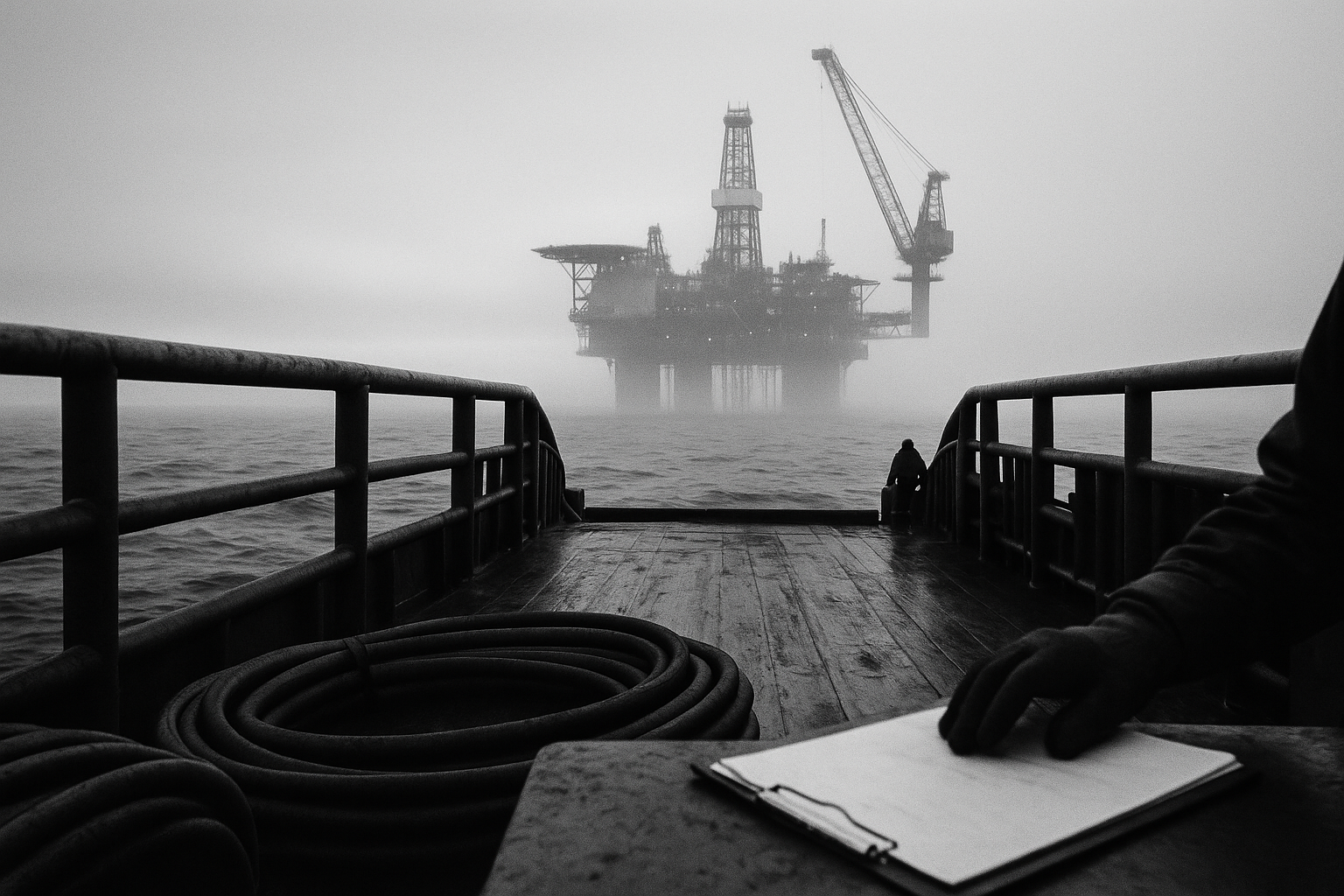
Aker BP’s Yggdrasil project in the North Sea is moving ahead as one of Norway’s largest industrial investments, with a price tag of NOK 178 billion and new discoveries that could add more volumes to an already large development. In VG’s reporting, chief executive Karl Johnny Hersvik calls it hard to overstate how important Yggdrasil is for the company, describing the project as a pillar of Aker BP’s future business.
That importance reaches well beyond one operator. A project of this size feeds offshore yards, engineering firms, vessel owners and equipment suppliers across Norway for years, while the state collects its share through petroleum taxes and ownership exposure. New finds near existing infrastructure matter because they can be tied back more cheaply than standalone fields, raising the value of platforms, pipelines and processing capacity already being built. The arithmetic is familiar in Norwegian oil policy: once the infrastructure is approved, additional barrels become easier to justify, and each discovery strengthens the case for the next one.
For the government, Yggdrasil sits at the intersection of two commitments that do not sit comfortably together. Norway presents itself abroad as a disciplined climate state while financing a large share of its welfare model through oil and gas production, and projects like Yggdrasil keep that revenue stream alive well into the next decade. Supporters point to jobs, export earnings and tax receipts; opponents point to the fact that long-lived petroleum investments lock capital, labour and politics into continued extraction. The dispute is not abstract. Every new field development creates contracts, payrolls and municipal income that are immediate, while the promised transition away from hydrocarbons remains mostly a matter of plans, targets and subsidies.
For Nordic neighbours, the contrast is plain enough. Sweden, Denmark and Finland speak more often about electrification, green industry and the next phase of energy policy; Norway is still writing very large cheques against reservoirs under the seabed. Yggdrasil shows why: the country’s prosperity still rests on turning offshore discoveries into taxable production, and the state has built institutions that make that conversion highly efficient. The climate argument is real, but so are the incentives attached to a project measured in 178 billion kroner.
On the Norwegian continental shelf, the transition is still arriving by helicopter to an oil platform.
Källor: VG